Table of Contents
ToggleEvery homeowner knows that maintaining a house is no small feat. From leaky faucets to squeaky doors, home repairs can quickly add up and become overwhelming. However, having the right tools and knowledge can make all the difference. Understanding home repair essentials not only saves time and money but also empowers individuals to tackle issues with confidence.
Equipping oneself with basic tools and repair techniques transforms daunting tasks into manageable projects. Whether it’s fixing a simple drywall crack or unclogging a drain, these essentials lay the foundation for a well-maintained home. With the right approach, anyone can become their own handyman, ensuring their living space remains safe and comfortable.
Home Repair Essentials
Home repair essentials encompass a variety of tools and materials that facilitate effective maintenance. Stocking a basic toolkit simplifies handling minor repairs and upkeep tasks around the home.
Essential Tools
- Hammer: Vital for driving nails into various materials.
- Screwdriver Set: Includes both flathead and Phillips for versatility.
- Pliers: Provides grip and leverage for various projects.
- Adjustable Wrench: Useful for securing nuts and bolts of different sizes.
- Utility Knife: Ideal for cutting through materials safely and efficiently.
- Tape Measure: Crucial for obtaining accurate measurements during installations or repairs.
- Level: Ensures that shelves, frames, and accents are properly aligned.
Common Supplies
- Nails and Screws: Available in varied sizes for multiple applications.
- Wood Glue: Ideal for quick fixes and securing wooden pieces together.
- Caulk: Essential for sealing gaps in bathrooms, kitchens, and windows.
- Duct Tape: Provides temporary fixes for a wide range of issues.
- Paint: Choose primer and paint for touch-ups or full projects.
- Sandpaper: Necessary for smoothing surfaces before painting or finishing.
Safety Gear
- Safety Glasses: Protect eyes from debris during repairs.
- Gloves: Offer hand protection while working with tools and materials.
- Dust Mask: Reduces inhalation of harmful particles during sanding or demolition.
Maintenance Tips
- Regular Inspections: Frequently check for leaks, cracks, or signs of wear.
- Stay Organized: Keep tools and supplies in a designated space for easy access.
- Learn Basic Techniques: Familiarize with common repair methods, such as patching a wall or unclogging a drain.
By having the right tools, supplies, and safety equipment, homeowners can effectively manage repairs and maintain their living environment.
Tools Every Homeowner Should Have
A well-equipped toolkit enables homeowners to address repairs and improvements efficiently. Essential tools fall into two main categories: hand tools and power tools.
Hand Tools
Hand tools are fundamental for many home repair tasks. Key hand tools include:
- Hammer: Ideal for driving nails and assembling structures. A 16-ounce hammer offers a balance of control and power.
- Screwdriver Set: A set featuring multiple sizes and types—flathead and Phillips—ensures compatibility with various fasteners.
- Pliers: Needle-nose and slip-joint pliers provide versatility for gripping, twisting, and cutting wires.
- Adjustable Wrench: This tool accommodates a range of nut and bolt sizes, simplifying plumbing and mechanical tasks.
- Utility Knife: A sharp utility knife expeditiously cuts through cardboard, rope, and other materials, making it essential for packaging and installation projects.
- Tape Measure: A 25-foot tape measure allows for precise measurements of both small and large spaces.
- Level: A 4-foot level ensures surfaces are perfectly horizontal or vertical, crucial for hanging shelves and artwork.
Power Tools
Power tools enhance efficiency and accuracy in various projects. Must-have power tools include:
- Cordless Drill: A versatile tool for drilling holes and driving screws. A 20-volt lithium-ion model offers a blend of power and portability.
- Circular Saw: This saw allows for straight cuts in wood, drywall, and other materials, making it a staple for building and renovation tasks.
- Sander: An electric sander, such as a random orbit sander, speeds up the finishing process, providing smooth surfaces on wood and other material.
- Jigsaw: Useful for making intricate cuts and curves, a jigsaw is vital for advanced woodworking projects.
- Impact Driver: It delivers high torque for driving long screws and fasteners, making it efficient for larger projects.
Equipping a home with these essential tools streamlines the repair process and ensures that homeowners are prepared for various tasks.
Common Home Repairs
Homeowners frequently encounter various repairs. Tackling these common issues can enhance the living space and increase property value.
Fixing Leaky Faucets
Fixing leaky faucets prevents water waste and saves on utility bills. To address this issue, homeowners can follow these steps:
- Identify the faucet type: Determine if it’s a compression, cartridge, or ball faucet.
- Turn off the water supply: Locate the shut-off valves under the sink and turn them clockwise.
- Disassemble the faucet: Remove the handle and use a wrench to take off the retaining nut.
- Inspect and replace parts: Check washers, O-rings, and seals for wear. Replace necessary components to eliminate leaks.
- Reassemble the faucet: Follow the disassembly steps in reverse, ensuring all parts are secure.
- Turn the water supply back on: Check for leaks after reassembling. Run water to ensure proper function.
Patching Walls and Ceilings
Patching walls and ceilings restores aesthetics and prevents further damage. Follow these steps for effective repairs:
- Gather materials: Obtain joint compound, putty knife, sandpaper, and paint to match the surrounding area.
- Clean the area: Remove loose debris and dust from the damaged section.
- Apply joint compound: Use a putty knife to spread the compound over the damaged area, ensuring an even layer. Feather the edges for a smooth transition.
- Allow drying time: Wait for the compound to dry completely, typically 24 hours.
- Sand the surface: Lightly sand the patched area to achieve a seamless finish.
- Prime and paint: Apply primer, then paint to match the existing wall or ceiling color. This step restores the original appearance.
Utilizing these methods for fixing leaky faucets and patching walls and ceilings enhances the home’s functionality and appearance.
Maintenance Tips for a Healthy Home
Regular maintenance ensures safety and comfort in a home. By following a structured approach, homeowners can address issues proactively.
Seasonal Checklists
Seasonal checklists help homeowners maintain their property throughout the year. Here are key tasks to consider for each season:
Spring
- Inspect gutters for debris and clogs.
- Check and repair exterior paint.
- Service the HVAC system for optimal performance.
- Clean windows and screens.
Summer
- Examine and clean siding and decks.
- Test smoke detectors and replace batteries.
- Inspect roofing for damage from winter weather.
- Fertilize garden areas and maintain landscaping.
Fall
- Flush and winterize plumbing systems.
- Clean gutters and downspouts.
- Test heating systems before cold weather.
- Seal windows and doors to prevent drafts.
Winter
- Inspect insulation in attics and basements.
- Check for ice dams on roofs.
- Monitor for signs of moisture and mold.
- Review emergency supplies and equipment.
Preventative Care
Preventative care techniques can prolong the life of home systems and reduce repair costs. Key practices include:
Routine Inspections
- Schedule regular inspections of essential systems like plumbing, electrical, and HVAC.
- Examine appliances for wear and tear, addressing issues promptly.
Cleaning and Maintenance
- Clean air filters bi-monthly to ensure efficient airflow.
- Drain the water heater annually to remove sediment buildup.
- Lubricate door hinges and window tracks for smooth operation.
- Maintain clean spaces to deter pests.
- Seal cracks and crevices around the home.
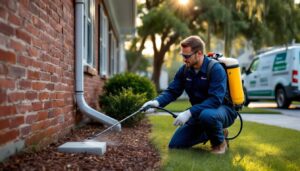
- Use professional pest control services as needed.
Implementing these seasonal checklists and preventative care measures fosters a healthier home environment and minimizes costly repairs.
When to Call a Professional
Identifying when to call a professional can prevent complications and ensure safety in home repair endeavors. Certain tasks demand specialized skills, tools, or knowledge beyond basic DIY capabilities.
Electrical Issues
Electrical repairs pose risks, including shocks and fires. When experiencing flickering lights or frequent circuit breaker trips, consult an electrician for a proper diagnosis.
Plumbing Problems
For plumbing issues like burst pipes or severe leaks, immediate professional assistance is essential. Unattended plumbing concerns can lead to costly water damage and mold growth.
Structural Repairs
Addressing structural issues, such as foundation cracks or sagging beams, requires expertise. Professionals can assess stability and implement effective solutions, ensuring a safe living environment.
Major Renovations
Major renovations, including kitchen remodels or room expansions, involve permits and adherence to building codes. Homeowners should engage licensed contractors to navigate regulations and avoid legal issues.
HVAC System Failures
When HVAC systems fail to cool or heat effectively, it’s crucial to call a professional technician. Improper handling may exacerbate the problem or void warranties.
Pest Infestations
Significant pest infestations, like termites or rodents, require immediate intervention from pest control professionals. They possess the necessary tools and pesticides to eliminate threats safely.
Asbestos or Lead Issues
For homes built before 1978, potential lead paint or asbestos may exist. Hiring certified professionals for testing and remediation minimizes health risks.
Unfamiliar Challenges
Mysterious or complex issues that’s beyond regular maintenance may require a professional’s skills. If unsure, consulting an expert can avert further damage and costly repairs.
Home repair essentials empower homeowners to take charge of their living spaces. With the right tools and knowledge at their disposal, they can tackle common issues confidently and efficiently. Investing in quality hand and power tools not only streamlines repairs but also enhances the overall value and comfort of a home.
Regular maintenance and a proactive approach to repairs can prevent small problems from escalating into costly disasters. By following seasonal checklists and knowing when to seek professional help, homeowners can ensure a safe and healthy environment. Embracing these practices leads to a more enjoyable living experience and fosters a sense of pride in homeownership.