Table of Contents
TogglePests can turn any home into a nightmare. Whether it’s ants marching through the kitchen or rodents scurrying in the attic, these unwelcome guests can disrupt daily life and pose health risks. Instead of reaching for commercial pesticides that may contain harmful chemicals, many homeowners are turning to DIY pest control solutions.
With a little creativity and some common household items, it’s possible to tackle pest problems effectively and safely. Not only does this approach save money, but it also empowers individuals to take charge of their living spaces. In this article, readers will discover practical tips and homemade remedies that can help keep their homes pest-free without the need for harsh chemicals.
Understanding DIY Pest Control
DIY pest control offers homeowners an alternative way to manage pests effectively and safely. By utilizing natural remedies and techniques, individuals can minimize health risks and save on costs.
Benefits of DIY Pest Control
- Cost-effective solutions: DIY methods often require simple, inexpensive ingredients that reduce the financial burden associated with professional pest control services.
- Safety: Many homemade remedies use non-toxic ingredients, lowering the risk of chemicals impacting indoor air quality or causing harm to children and pets.
- Empowerment: Handling pest control independently enables individuals to learn about pest behaviors and prevention, fostering confidence in maintaining a pest-free home.
- Accessibility: Common household items, such as vinegar and baking soda, provide readily available solutions that can address various pest issues without extensive preparation.
- Environmentally friendly: DIY methods often rely on environmentally safe techniques, contributing to sustainability and reducing pesticide runoff.
Common Misconceptions
- DIY methods aren’t effective: Many believe that homemade solutions lack the efficacy of commercial products, yet numerous DIY remedies, like diatomaceous earth or essential oils, successfully deter pests when utilized correctly.
- All DIY solutions are safe: Although many DIY approaches use natural ingredients, some mixtures can be harmful if misused. It’s crucial to research ingredients thoroughly before combining them.
- Pest control is one-time: Some think that addressing a pest issue once suffices; however, proactive measures and ongoing maintenance remain necessary to prevent future infestations.
- Pests will simply go away: Ignoring the initial signs of infestation often worsens the problem. Prompt action using effective strategies is essential in managing pest populations.
- One-size-fits-all approach: Many assume a single solution will work for all pests, but each type may require specific methods or treatments tailored to target its behavior and lifecycle.
Tools and Materials for DIY Pest Control
Successful DIY pest control requires specific tools and eco-friendly materials. Utilizing the right equipment and substances enhances effectiveness while ensuring safety.
Essential Tools
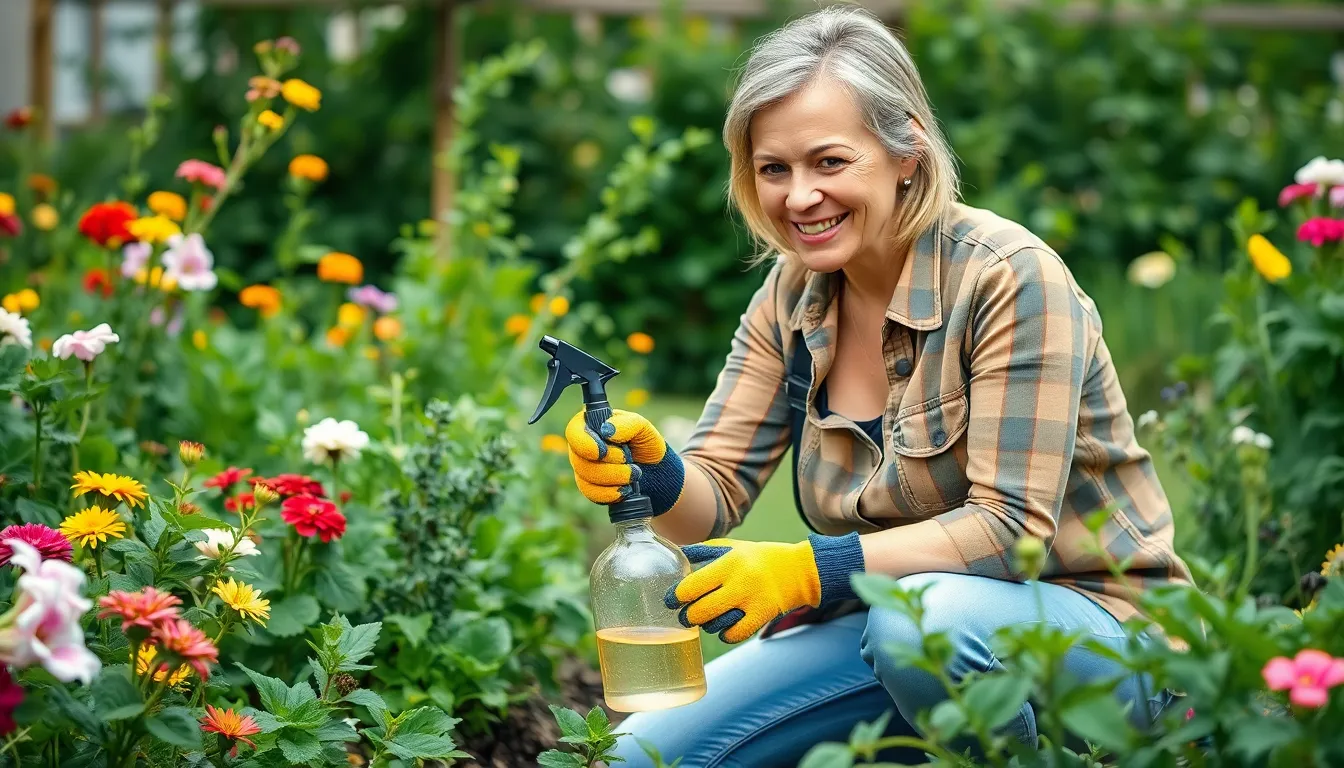
- Spray Bottles: Spray bottles facilitate even application of homemade solutions, such as vinegar mixtures or essential oils.
- Bait Traps: Bait traps attract and capture pests like ants and cockroaches, aiding in population control.
- Glue Boards: Glue boards trap crawling insects and monitor pest activity, providing insight into infestations.
- Garden Gloves: Garden gloves protect hands while handling substances and pests, ensuring safe interaction.
- Measuring Cups: Measuring cups guarantee accurate proportions during the preparation of pest control mixtures.
Recommended Eco-Friendly Products
- Vinegar: Vinegar serves as a natural insect repellent and cleaning agent, effective against ants and spiders.
- Baking Soda: Baking soda acts as both an absorbent and a poisoning method for pests like cockroaches when combined with sugar.
- Essential Oils: Essential oils such as peppermint, eucalyptus, and tea tree have insect-repelling properties; they can be added to spray solutions.
- Diatomaceous Earth: Diatomaceous earth dehydrates and kills crawling insects upon contact, making it non-toxic and effective.
- Castile Soap: Castile soap works as a natural insecticide when diluted and sprayed on pests like aphids, disrupting their ability to breathe.
Step-by-Step Guide to DIY Pest Control
Understanding how to identify common pests and applying effective DIY solutions can empower homeowners to maintain a pest-free environment.
Identifying Common Pests
Identifying common pests is essential for effective pest control. Each pest has distinct characteristics and behaviors, making identification crucial for tailored treatment.
- Ants: Look for trails. Ants often march in lines toward food sources.
- Cockroaches: Check for droppings and egg cases. Their nocturnal nature often hides them during the day.
- Rodents: Identify gnaw marks and droppings. Mice and rats leave evidence of their presence in food-storage areas.
- Bed Bugs: Examine mattress seams for small reddish-brown stains. These stains indicate blood spots from bites.
- Termites: Look for hollow-sounding wood and mud tubes. Termites tunnel through wood, causing structural damage.
Recognizing these signs helps homeowners implement appropriate pest control methods.
Effective DIY Solutions
Implementing effective DIY solutions can mitigate pest problems effectively. Several common household items can serve as powerful deterrents.
- Vinegar: Mix equal parts of vinegar and water in a spray bottle. Spray around entry points to deter ants and spiders.
- Baking Soda: Combine baking soda with sugar for a bait. This mixture attracts cockroaches and effectively eliminates them.
- Essential Oils: Use peppermint or tea tree oil mixed with water in a spray bottle. Spray these oils in affected areas to repel pests like spiders and mosquitoes.
- Diatomaceous Earth: Sprinkle this powder in areas with pests. It dehydrates and kills insects without harming pets or humans.
- Castile Soap: Dilute Castile soap with water and spray on plants. This solution can combat aphids and spider mites on plants.
These solutions offer environmentally friendly and cost-effective ways to address pest issues without harmful chemicals.
Preventive Measures for Pest Control
Effective pest control begins with preventive measures. Applying proper strategies in home maintenance and landscaping reduces the likelihood of infestations.
Home Maintenance Tips
- Seal entry points: Inspect windows, doors, and foundations for gaps. Caulk or weatherstrip any openings to prevent pests from entering.
- Maintain cleanliness: Sweep floors regularly and wipe down surfaces. Store food in sealed containers to eliminate attractants.
- Manage moisture: Fix leaky pipes and ensure proper drainage. Use dehumidifiers in damp areas like basements to deter pests.
- Dispose of waste properly: Use tight-fitting garbage cans and remove trash frequently. Compost organic waste away from the home to avoid attracting pests.
- Inspect utilities: Check for gaps around utility lines. Seal around pipes and vents to prevent pest entry.
Landscaping for Pest Prevention
- Choose pest-resistant plants: Select local plants known for their resistance to pests. This reduces the need for chemical interventions.
- Maintain a tidy yard: Clear debris, fallen fruits, and standing water. Eliminating these can discourage pests from nesting.
- Create barriers: Install physical barriers, such as mulch or gravel around the foundation. This hinders pest movement toward the home.
- Prune bushes regularly: Trim shrubs and trees away from the house. Keeping foliage away from the structure decreases pest access.
- Implement beneficial plants: Introduce plant varieties that attract natural predators. For example, marigolds can deter nematodes and aphids.
Embracing DIY pest control empowers homeowners to tackle pest issues safely and effectively. By utilizing common household items and eco-friendly solutions, individuals can create a pest-free environment without relying on harmful chemicals. Understanding pest behaviors and implementing tailored strategies enhances the success of these methods.
Regular maintenance and preventive measures are crucial in keeping pests at bay. With the right tools and knowledge, anyone can manage pest problems confidently. Adopting these practices not only saves money but also contributes to a healthier home. A proactive approach ensures a comfortable living space free from unwanted intruders.