Pests can turn any peaceful home into a battleground, disrupting daily life and causing stress. From pesky ants to unwelcome rodents, these intruders not only threaten comfort but can also pose health risks. Understanding effective pest control tips is essential for maintaining a safe and pleasant living environment.
With the right strategies, anyone can reclaim their space from unwanted guests. Simple yet powerful methods can deter pests before they invade, saving time and money in the long run. This guide offers practical advice to help homeowners stay one step ahead of pests, ensuring a harmonious home for all.
Understanding Pest Control
Effective pest control plays a vital role in maintaining a safe and comfortable living environment. It addresses the challenges posed by various pests that can disrupt daily life and pose significant health risks.
Importance of Pest Control
Pest control prevents property damage and avoids potential health hazards. Pests like rodents and insects can contaminate food, spread diseases, and damage structures. Implementing pest control measures protects the home and the individuals living in it. It also promotes a harmonious atmosphere by reducing the stress associated with pest problems.
Common Pests to Address
- Ants: Common indoor and outdoor pests known for creating large colonies, particularly in kitchens and gardens.
- Cockroaches: Highly resilient insects that can carry diseases and thrive in unsanitary conditions.
- Termites: Wood-destroying insects that pose serious risks to structural integrity if left untreated.
- Rodents: Mice and rats can cause damage and spread diseases, making their removal essential for a healthy home.
- Bed Bugs: Blood-feeding pests that disrupt sleep and can cause skin irritation or allergic reactions.
Addressing these common pests through effective pest control strategies keeps living spaces safe and enjoyable.
Preventative Measures
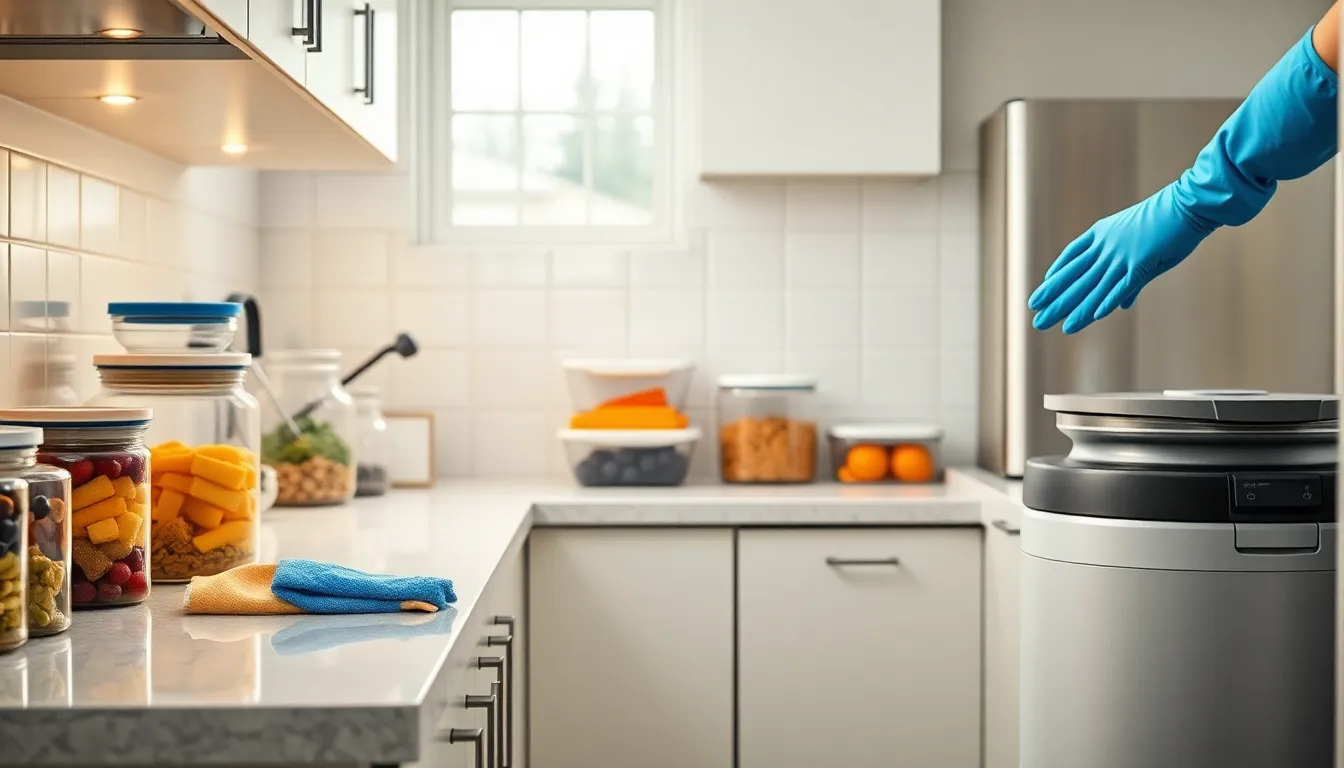
Effective preventative measures significantly reduce pest infestations in homes. Maintaining cleanliness and sealing entry points play vital roles in this process.
Maintaining Cleanliness
Regular cleaning prevents pest attraction. Wipe down surfaces daily to eliminate crumbs and spills. Vacuum frequently to remove food particles and dust. Store food in airtight containers to deter pests from accessing it. Dispose of garbage promptly, ensuring bins have tight-fitting lids. Additionally, reduce clutter in living spaces to minimize hiding spots for pests.
Sealing Entry Points
Sealing entry points prevents pests from entering the home. Inspect doors and windows for gaps or cracks, then caulk or weatherstrip them as necessary. Check utility lines, plumbing, and vents for openings, and seal any gaps with appropriate materials. Repair damaged screens to keep insects out. Regularly assess the foundation for cracks and fill them to block potential entry for rodents and insects.
Chemical Solutions
Chemical solutions play an essential role in effective pest control. They offer targeted approaches to eliminate pests and protect homes from infestations.
Types of Pesticides
- Insecticides: Insecticides specifically target insects, including roaches, ants, and bed bugs. They disrupt physiological processes, effectively reducing pest populations.
- Rodenticides: Rodenticides focus on controlling rodent populations like rats and mice. They contain anticoagulants that cause internal bleeding, ultimately leading to rodent elimination.
- Herbicides: Herbicides address unwanted plant growth, particularly weeds, which can attract pests. They inhibit plant growth by blocking essential processes in target species.
- Fungicides: Fungicides help control fungal growth, which can attract pests and cause health risks. They target specific fungi, preventing them from spreading in homes.
- Bio-pesticides: Bio-pesticides use natural organisms or substances to manage pest populations. These alternatives are safer for humans, pets, and the environment while offering effective control.
Safe Application Practices
- Read Labels: Reading pesticide labels ensures proper usage according to manufacturer instructions. These labels provide essential information on dosage and application methods.
- Wear Protective Gear: Wearing gloves, masks, and goggles protects against chemical exposure during application. Personal protective equipment minimizes health risks.
- Ventilate Areas: Ensuring proper ventilation helps disperse harmful fumes while applying pesticides. Open windows and doors during application to enhance air circulation.
- Follow Dosage Guidelines: Adhering strictly to recommended dosages prevents overapplication, reducing potential harm to humans and pets while maximizing effectiveness.
- Store Chemicals Safely: Storing pesticides in a secure location prevents accidental exposure or ingestion. Keep products out of reach of children and pets and maintain original containers.
- Dispose Properly: Following local regulations for disposal prevents environmental contamination. Dispose of unused pesticides according to guidelines to ensure safe waste management.
Natural Pest Control Methods
Natural pest control methods offer effective alternatives to chemical solutions, promoting a healthier living environment while effectively managing pest issues.
DIY Solutions
Utilizing DIY solutions can dramatically reduce pest populations. Homeowners can create simple mixtures using common ingredients. For instance:
- Vinegar: Mix equal parts water and vinegar to repel ants and spiders.
- Diatomaceous Earth: Sprinkle food-grade diatomaceous earth around entry points to dehydrate and kill crawling insects.
- Essential Oils: Use peppermint or lavender oil diluted in water as a natural insect repellent against mosquitoes and flies.
- Soap Solution: Combine liquid soap with water to create a spray for eliminating aphids and spider mites.
These solutions are cost-effective and quickly accessible, enhancing pest control efforts without harsh chemicals.
Benefits of Organic Options
Organic pest control methods provide numerous advantages. They minimize environmental impact and improve health safety. Key benefits include:
- Reduced Toxicity: Organic products use natural ingredients, lowering exposure to harmful chemicals for humans and pets.
- Biodiversity Preservation: Organic methods support beneficial insects while targeting detrimental pests, helping maintain ecological balance.
- Sustainable Practices: Organic pest control aligns with eco-friendly practices by promoting soil health and reducing chemical runoff.
- Long-term Solutions: Building healthier ecosystems through organic practices can yield sustainable pest management over time.
Incorporating organic options into pest control strategies fosters a safer and more sustainable approach to maintaining pest-free homes.
When to Call Professionals
Recognizing when to call pest control professionals can prevent further damage and health risks. Certain signs indicate that expert intervention is necessary.
Signs You Need Help
- Infestation Levels: If pests appear in large numbers, immediate professional assistance is crucial. Large ant colonies, swarms of bees, or clusters of roaches signal serious infestations.
- Property Damage: Visible damage, such as chewed wires or holes, often indicates pests like termites or rodents. Professionals can assess and remedy these structural concerns.
- Health Issues: If anyone in the home experiences allergic reactions or unexplained illnesses, pests may be responsible. Rats, mice, and other pests can spread diseases, necessitating prompt action.
- Failed DIY Methods: If home remedies and over-the-counter solutions fail after several attempts, it’s time to consult experts. Persistent issues often require advanced treatment.
- Recurring Problems: Continuous reappearances of pests imply underlying issues that homeowners might overlook. Professionals can identify and eliminate these persistent sources.
Choosing a Pest Control Service
- Research Credentials: Verify the service’s licenses and certifications. Certifications from recognized pest control organizations indicate professionalism and adherence to safety standards.
- Read Reviews: Analyze customer reviews and testimonials. They provide insight into the company’s effectiveness and customer service quality.
- Ask About Methods: Inquire about the pest control methods utilized. Companies that offer integrated pest management (IPM) approaches often represent a commitment to safety and sustainability.
- Evaluate Estimates: Request written estimates from multiple companies. Evaluating cost, service scope, and included guarantees helps in making an informed decision.
- Check Insurance Coverage: Ensure the service carries liability insurance. This protects homeowners from potential damages or accidents during treatment.
Maintaining a pest-free home is essential for comfort and health. By implementing effective prevention strategies and utilizing both chemical and natural solutions, homeowners can significantly reduce the risk of infestations. Regular cleaning and sealing entry points create an unwelcoming environment for pests.
When DIY methods fall short or infestations become overwhelming, seeking professional help is crucial. Choosing the right pest control service ensures that the issue is addressed effectively and safely. With these tips in hand, homeowners can enjoy a harmonious living space free from the disruptions caused by pests.