In a world increasingly aware of environmental impacts, holistic pest control emerges as a sustainable solution. This approach goes beyond traditional methods, focusing on prevention and natural remedies to manage pests while safeguarding ecosystems. By understanding pest behavior and utilizing integrated techniques, holistic pest control offers a balanced way to maintain healthy spaces.
Homeowners and businesses alike are seeking effective alternatives to chemical treatments that can harm both people and the planet. Holistic pest control emphasizes the use of natural predators, habitat modification, and organic treatments to create a harmonious environment. This method not only addresses pest issues but also promotes long-term ecological balance, making it a smart choice for conscious consumers.
What Is Holistic Pest Control?
Holistic pest control represents a sustainable approach that focuses on preventing pest issues through an understanding of pest biology and ecology. This method integrates various techniques, aligning with natural processes to minimize chemical use.
Holistic pest control encompasses several core principles:
- Prevention Focus: Emphasizing regular maintenance, including pest-proofing structures, eliminates potential entry points for pests.
- Ecosystem Awareness: Utilizing knowledge of local ecosystems leads to solutions that consider the interplay between pests and their environments.
- Natural Remedies: Employing non-toxic substances, such as essential oils, diatomaceous earth, and biological controls, helps manage pest populations safely.
- Behavioral Insights: Understanding pest behavior allows for the implementation of targeted strategies, such as setting traps or introducing beneficial species.
- Integrated Techniques: Combining physical, biological, and cultural methods fosters a balanced approach to pest management.
Ultimately, holistic pest control aims to create and maintain environments where both people and nature thrive, reducing reliance on harmful chemicals while promoting ecological balance.
Benefits of Holistic Pest Control
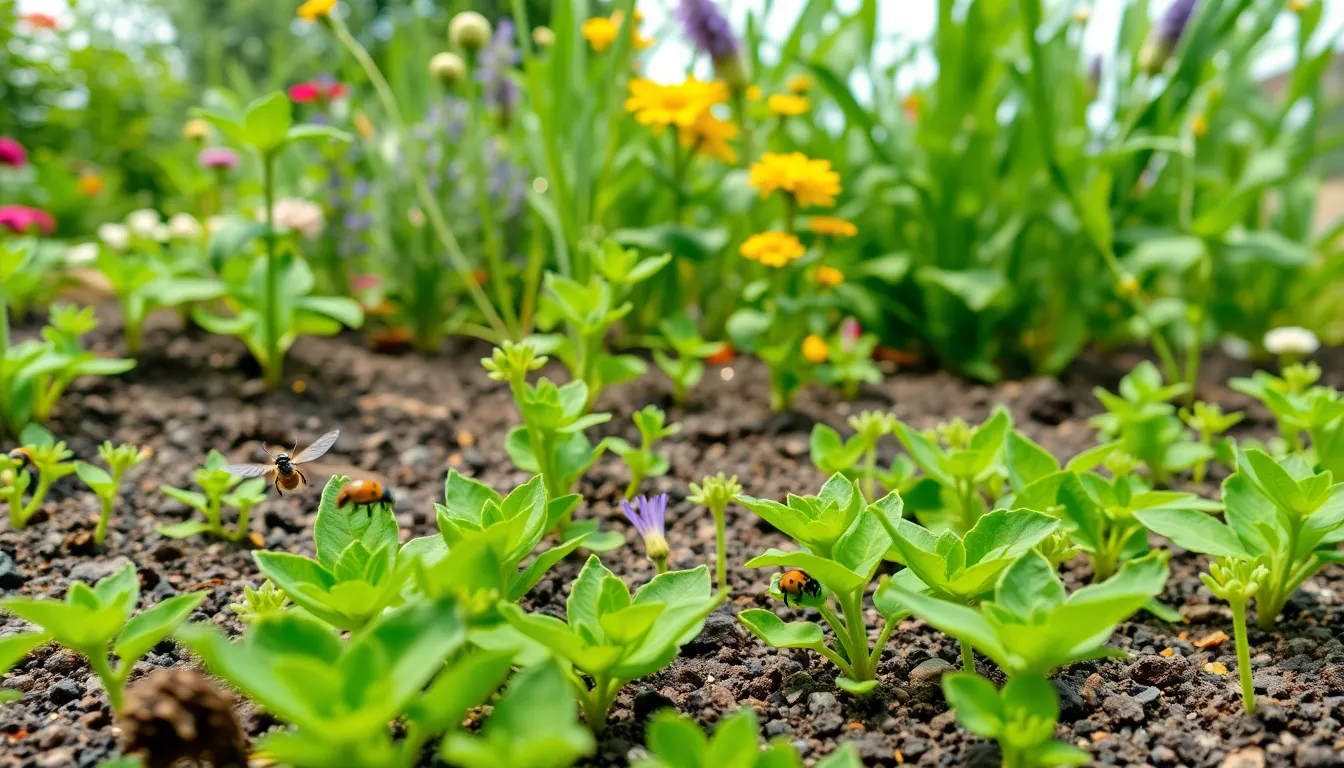
Holistic pest control offers various benefits, particularly in environmental impact and health considerations. This approach not only addresses pest management but also fosters a healthier ecosystem.
Environmental Impact
- Reduced Chemical Use: Holistic methods minimize reliance on synthetic pesticides, lowering the risk of environmental contamination.
- Enhanced Biodiversity: Strategies like promoting beneficial insects and native plants enhance local biodiversity, creating balanced ecosystems.
- Soil Health Improvement: Practices such as composting and crop rotation enrich soil quality, promoting organic matter and microbial activity.
- Water Conservation: Integrated pest management can reduce water usage by employing targeted treatments that require less irrigation.
- Natural Pest Population Control: Utilizing predators and parasites naturally regulates pest population levels without harming beneficial species.
Health Considerations
- Safer Indoor Environments: Non-toxic pest control methods reduce exposure to harmful chemicals, improving indoor air quality and safety.
- Allergen Reduction: Holistic approaches can significantly lower allergens associated with pest infestations, reducing asthma and allergy symptoms.
- Food Safety: Utilizing organic and natural treatments ensures that food is free from pesticide residues, promoting healthier consumption.
- Long-term Health Benefits: Sustainable practices contribute to public health by reducing chronic diseases linked to chemical exposure.
- Community Well-being: A focus on holistic practices supports not just individual health but also community wellness by fostering a healthier ecosystem.
Techniques Used in Holistic Pest Control
Holistic pest control employs various techniques that work synergistically to create sustainable pest management solutions. These methods prioritize prevention and ecological balance, incorporating cultural, biological, and mechanical practices.
Cultural Practices
Cultural practices focus on modifying environmental conditions to deter pests. Techniques include:
- Crop Rotation: Alternating crop species in a given area reduces pest populations by disrupting their life cycles.
- Soil Management: Enhancing soil health through organic amendments promotes strong plants, making them less susceptible to pests.
- Companion Planting: Planting diverse species together can attract beneficial insects and repel harmful ones.
- Sanitation: Maintaining clean environments, such as removing debris and proper waste disposal, reduces pest habitats.
Biological Control
Biological control leverages natural predators and pathogens to manage pest populations effectively. Methods include:
- Beneficial Insects: Introducing predators like ladybugs or lacewings can control aphid populations without chemicals.
- Microbial Agents: Utilizing bacteria, fungi, or viruses specifically targeting pests can diminish their numbers.
- Habitat Enhancement: Creating environments that support beneficial organisms encourages natural pest suppression.
Mechanical Control
- Traps: Using traps tailored to specific pests helps capture and reduce their populations.
- Barriers: Installing physical barriers like nets or screens prevents pests from accessing plants or living spaces.
- Handpicking: Manually removing pests from plants or structures is effective for small infestations.
- Mulching: Employing organic or synthetic mulches can prevent weeds and limit pest access to crops.
Comparing Holistic Pest Control to Traditional Methods
Holistic pest control and traditional methods offer distinct approaches to managing pest issues. Understanding their advantages and disadvantages helps consumers make informed choices.
Advantages
- Environmental Impact: Holistic pest control reduces reliance on synthetic chemicals, enhancing soil health and preserving biodiversity.
- Safety: This approach creates safer indoor environments by utilizing non-toxic substances, which minimizes health risks for humans and pets.
- Sustainability: By emphasizing prevention and natural methods, holistic pest control promotes long-term ecosystem balance and reduces pest recurrence.
- Biodiversity Enhancement: Holistic methods encourage the presence of natural predators, which can lead to healthier pest management and a richer ecosystem.
- Cost-Effectiveness: Sustainable practices, such as crop rotation and companion planting, can lower long-term costs associated with pest damage and chemical treatments.
Disadvantages
- Time-Intensive: Implementing holistic pest control often requires more time and effort, as it focuses on prevention and ongoing maintenance rather than quick fixes.
- Knowledge Requirement: A deep understanding of local ecosystems, pest behavior, and natural solutions is essential, which may not be readily available to all consumers.
- Effectiveness Variability: Success rates can vary based on specific pest problems and environmental conditions, making some cases more challenging to manage.
- Resource Limitations: Availability of natural remedies or beneficial organisms may limit the effectiveness of holistic pest control in certain situations.
- Short-Term Pest Issues: Immediate infestations might not respond as swiftly to holistic approaches compared to chemical treatments, leading to frustration in urgent scenarios.
Implementation Strategies for Homeowners
Homeowners can effectively implement holistic pest control strategies to maintain pest-free environments. These strategies emphasize prevention, natural remedies, and awareness of local ecosystems.
- Regular Maintenance: Schedule routine inspections and maintenance of the property. Identify and eliminate potential pest habitats, such as standing water, clutter, and cracks in walls.
- Natural Barriers: Utilize physical barriers to deter pests. Install screens on windows and doors, seal entry points, and use traps as a first line of defense.
- Non-Toxic Remedies: Adopt natural pest control substances. Examples include diatomaceous earth for crawling insects, neem oil for plant pests, and vinegar solutions for repelling ants.
- Companion Planting: Enhance gardens by planting pest-repelling plants alongside crops. Marigolds, for instance, deter nematodes, while basil can repel flies and mosquitoes.
- Biological Control: Encourage natural predators to manage pest populations. Introducing ladybugs can help control aphid infestations, while birds can assist with a range of problematic insects.
- Soil Management: Maintain healthy soil through composting and mulching. Healthy soil promotes robust plants, which can resist pests naturally.
- Sanitation Practices: Implement strict sanitation measures. Keep areas free of food scraps and debris, which can attract pests. Regularly clean used containers and service areas.
- Community Awareness: Engage with neighbors to share successful pest management experiences. Pooling resources can lead to more effective community-wide solutions.
- Educate on Pest Biology: Understand pest behavior and biology to identify specific needs and vulnerabilities. This knowledge enables targeted strategies rather than blanket applications.
- Integrated Pest Management (IPM): Adopt an IPM approach that combines multiple strategies for a comprehensive pest control plan. Focus on adapting techniques specific to the pest and environmental conditions.
Implementing these strategies empowers homeowners to manage pests sustainably, benefiting both their immediate environment and the broader ecosystem.
Holistic pest control offers a promising path toward sustainable pest management. By prioritizing prevention and utilizing natural methods, it fosters healthier environments for both people and ecosystems. This approach not only reduces reliance on harmful chemicals but also enhances biodiversity and promotes community well-being.
As awareness of environmental issues grows, more homeowners and businesses are turning to holistic strategies. Implementing these techniques can lead to effective pest management while safeguarding health and the planet. Embracing holistic pest control is a step toward creating a balanced coexistence between humans and nature.