Pest prevention is a crucial aspect of maintaining a healthy and comfortable living environment. With pests like rodents, insects, and termites lurking, the risk of property damage and health issues increases significantly. Understanding effective strategies for pest prevention can save homeowners time, money, and stress in the long run.
Implementing simple yet effective measures can create a barrier against unwanted invaders. From sealing entry points to maintaining cleanliness, proactive steps can make all the difference. This article explores practical pest prevention techniques that anyone can adopt to protect their home and family from the dangers pests bring.
Understanding Pest Prevention
Pest prevention involves proactive measures to avert infestations by rodents, insects, and other harmful pests. Effective strategies can protect homes and families from health risks and property damage.
What Is Pest Prevention?
Pest prevention refers to a systematic approach that minimizes the likelihood of pest infestations. This includes identifying potential entry points, practicing good sanitation, and employing deterrents. Homeowners can implement methods such as:
- Sealing Cracks: Filling gaps around doors, windows, and foundations prevents easy access for pests.
- Proper Waste Management: Storing trash in sealed bins reduces attractants for pests.
- Regular Inspections: Conducting periodic checks for signs of pests identifies problems before they escalate.
Importance of Pest Prevention
Pest prevention plays a crucial role in maintaining a safe and healthy living environment. The reasons for prioritizing pest control include:
- Health Risks: Pests like rodents and insects can transmit diseases, posing threats to human health.
- Property Damage: Infestations can lead to significant structural damage, especially from termites and other wood-boring insects.
- Cost Savings: Investing in prevention is often more economical than dealing with full-blown infestations and their consequences.
Ambitious pest prevention strategies contribute to long-term well-being for households, promoting comfort and peace of mind.
Common Pest Types
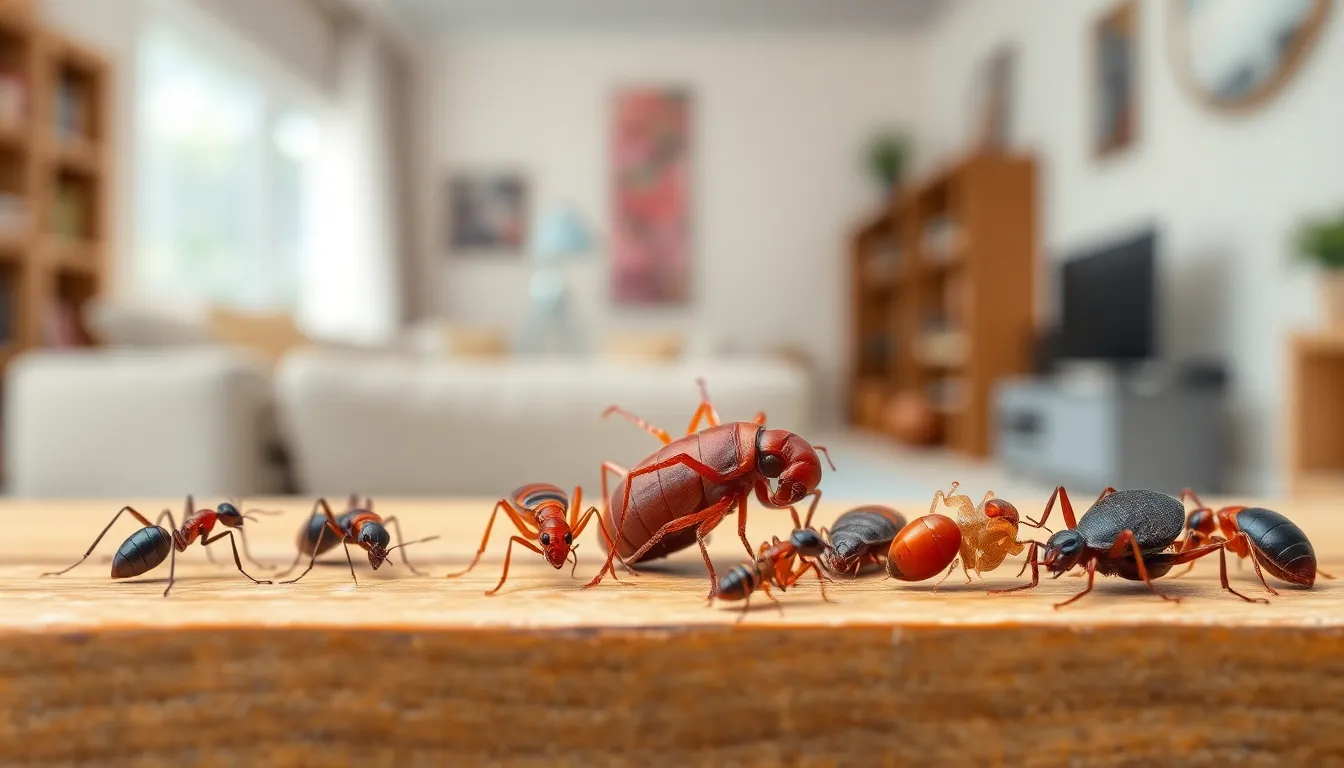
Understanding common pest types helps homeowners identify problems early and implement effective prevention strategies. Below are the primary categories of pests encountered in residential settings.
Insects
Insects frequently invade homes. Common types include:
- Ants: These pests can create colonies inside walls. Carpenter ants damage wood structures.
- Cockroaches: Known for transmitting diseases, they thrive in warm, moist environments.
- Termites: Termites can cause severe structural damage by consuming wood if left unchecked.
- Mosquitoes: Mosquitoes breed in standing water, posing health risks through disease transmission.
- Bed Bugs: These pests hitch a ride on clothing or luggage, leading to infestations in sleeping areas.
Rodents
Rodents pose health risks and structural concerns. Common species include:
- Rats: Norway and roof rats contaminate food and surfaces while gnawing on wiring or insulation.
- Mice: House mice reproduce rapidly, leading to large infestations if not controlled.
- Squirrels: Although more common outdoors, they can enter attics, damaging insulation and wiring.
Larger Animals
Larger animals can also disrupt households. Common types include:
- Raccoons: These animals rummage through garbage, creating messes and potential entry points for other pests.
- Skunks: Skunks commonly invade gardens and basements, leaving strong odors and digging up lawns.
- Bats: Bats can enter attics, causing health concerns and property damage through their droppings.
Identifying these common pests allows homeowners to take preventive measures before infestations escalate.
Pest Prevention Strategies
Effective pest prevention strategies combine various methods to minimize pests. Implementing these strategies can significantly reduce the risk of infestations.
Biological Methods
Biological methods utilize natural predators to control pest populations. For instance, introducing ladybugs can aid in managing aphid infestations. Additionally, nematodes can be used to target soil-dwelling pests like grubs. These methods promote ecological balance while decreasing reliance on chemical pesticides.
Chemical Methods
Chemical methods involve using substances designed to repel or eliminate pests. Insecticides and rodenticides fall under this category. It’s crucial to select products that are specific to targeted pests while minimizing impact on beneficial insects. Proper application techniques, such as using bait stations or targeted sprays, enhance effectiveness and reduce the risk of exposure to humans and pets.
Cultural Practices
Cultural practices significantly reduce pest attraction by modifying the environment. Maintaining a clean home eliminates food sources necessary for pests. Proper landscaping techniques, like trimming shrubs and removing standing water, deter pests like mosquitoes. Additionally, rotating crops in gardens can disrupt pest life cycles. Implementing these practices fosters a less hospitable environment for pests, enhancing overall prevention efforts.
Professional Pest Control Services
Professional pest control services offer specialized expertise and resources to effectively manage pest issues. Utilizing these services can enhance pest prevention strategies and ensure long-term protection against infestations.
When to Call Professionals
Homeowners should call professionals when witnessing signs of significant pest presence, such as noticeable infestations or unusual behaviors of common pests. Specific indicators include:
- Frequent sightings of rodents or insects indoors.
- Damaged property or chewed wiring, indicating larger pests like rodents.
- Unusual droppings or nests found in hidden areas.
- Persistent pest problems despite implementing DIY strategies.
Addressing these indicators quickly prevents further damage and health risks.
What to Expect from Pest Control Services
Pest control services provide a systematic approach to pest management. Clients can expect:
- Initial inspections to assess the extent of infestations and identify pest types.
- Customized treatment plans designed for specific pest issues using targeted methods.
- Eco-friendly options that prioritize safety for families and pets.
- Follow-up visits to monitor progress and ensure pests do not return.
- Preventive measures and recommendations to minimize future pest risks.
These comprehensive services help maintain a pest-free environment, protecting health and property.
Effective pest prevention is essential for safeguarding homes and families. By adopting proactive strategies homeowners can create an environment that’s less inviting to pests. Regular inspections and maintenance not only protect property but also promote health and well-being.
Utilizing a combination of biological, chemical, and cultural methods ensures a comprehensive approach to pest management. When faced with significant pest issues seeking professional help can provide tailored solutions and peace of mind. Prioritizing pest prevention leads to a safer and more comfortable living space, ultimately enhancing the quality of life for everyone in the household.