Table of Contents
TogglePest infestations don’t wait for convenient timing, they show up when you’re ready to sell, hosting family, or just trying to enjoy your home. Maryland homeowners face a unique mix of pest pressures, from moisture-loving termites in humid summers to rodents seeking warmth during cold snaps. Moxie Pest Control has expanded its footprint across Maryland, offering what they call a modern approach to pest management with eco-conscious products and digital scheduling. But does their service model hold up against the specific challenges Maryland homes face? This guide breaks down what Moxie offers, where they operate, and whether their pricing and process make sense for your situation.
Key Takeaways
- Moxie Pest Control Maryland offers a tech-forward, subscription-based service with flexible month-to-month contracts and digital account management, making it ideal for homeowners seeking convenience without long-term lock-ins.
- Maryland’s humid climate and older housing stock create specific pest challenges—including termites, carpenter ants, and rodents—that Moxie addresses through Integrated Pest Management (IPM) principles combining chemical treatments with exclusion and habitat modification.
- Pricing ranges from $400–$600 annually for basic quarterly plans to $600–$900 for premium year-round coverage, positioning Moxie competitively mid-range compared to local operators and national chains.
- Moxie Pest Control Maryland coverage is strongest in the Baltimore-Washington metro corridor but remains spotty in rural areas and the Eastern Shore, so confirm service availability for your zip code before committing.
- For maximum effectiveness, pair Moxie’s pest control services with proactive maintenance—trimmed vegetation, fixed gutters, and stored firewood away from your home—to reduce pest pressure and potentially qualify for lower service tiers.
What Is Moxie Pest Control and Why Choose Them in Maryland?
Moxie Pest Control is a national pest management company that entered the Maryland market in recent years, positioning itself as a tech-forward alternative to traditional exterminators. They use a subscription-based service model with scheduled treatments, digital account management, and a stated focus on reduced-risk pesticides whenever practical.
What sets them apart in Maryland is their emphasis on Integrated Pest Management (IPM) principles, combining chemical treatments with exclusion work, habitat modification, and monitoring. This matters in a state where environmental regulations around the Chesapeake Bay watershed limit certain pesticide applications near waterways.
Maryland homeowners often deal with high humidity, older housing stock with crawlspace issues, and wooded lots that border suburban sprawl. Moxie tailors treatment plans to address these regional factors, though they’re not a specialist service, they handle general pest control, not niche problems like bat exclusion or large-scale termite structural repairs that require a licensed contractor.
Their main appeal: digital convenience (online booking, text reminders, service notes in an app) and flexible contracts without the multi-year lock-ins some legacy companies require. That’s useful if you’re testing a service or dealing with a seasonal issue rather than an ongoing infestation.
One note: Moxie is a venture-backed company that’s grown rapidly through acquisitions. Some customers appreciate the polished experience: others prefer long-established local operators who’ve worked the same territory for decades. Neither approach is automatically better, it depends on your priorities.
Comprehensive Pest Control Services Offered in Maryland
Moxie provides year-round general pest control covering the insects and rodents most Maryland homeowners encounter. Standard plans include interior and exterior treatments, with quarterly visits typical for maintenance.
Services include:
- Interior treatments: Baseboard sprays, crack-and-crevice applications, bait stations in kitchens, bathrooms, and utility areas
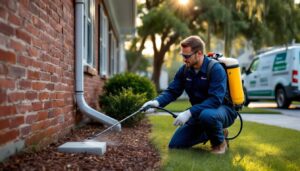
- Exterior perimeter treatments: Foundation sprays, door and window frame applications, eave and soffit treatments
- Exclusion work: Sealing entry points around pipes, vents, and gaps (scope varies by plan)
- Monitoring: Glue boards, rodent bait stations, and inspection reports accessible via app
- Specialty add-ons: Termite inspections, mosquito treatments, and tick control for yards (separate pricing)
They do not handle wildlife removal (raccoons, squirrels, bats), structural termite repairs, or mold remediation, you’ll need a licensed specialist or contractor for those. If Moxie identifies termite damage during an inspection, they’ll refer you out or offer a treatment plan, but any structural work is on you or your builder.
Common Pest Problems Moxie Treats in Maryland Homes
Maryland’s climate and housing types create predictable pest pressure:
- Ants (odorous house ants, carpenter ants): Common in spring and summer, especially near wooded areas. Carpenter ants indicate moisture issues, check crawlspaces and roof leaks.
- Roaches (German, American): German roaches thrive in multi-family buildings and older row homes: American roaches (“water bugs”) enter through basements and drains.
- Mice and rats: Peak activity in fall and winter. Look for entry points around foundation vents, garage doors, and where utilities penetrate siding.
- Spiders: Mostly nuisance species, but brown recluse sightings occasionally occur in southern Maryland.
- Termites (subterranean): High risk statewide. Moxie offers Termidor or similar liquid treatments and bait station systems, but a separate inspection and contract are required.
- Stink bugs: Overwintering pests that cluster in attics and wall voids in fall. Exclusion is more effective than chemical treatment.
- Mosquitoes and ticks: Increasing concern with Lyme disease and West Nile virus. Moxie’s yard treatments target breeding sites and vegetation where ticks wait.
If you’re dealing with structural issues, sagging floors from termite damage, rot, or significant moisture intrusion, address those first. Many homeowners find DIY repair tutorials helpful for minor fixes like sealing foundation cracks or replacing rotted sill plates, but load-bearing repairs require a contractor and often a permit.
Moxie’s Treatment Process: What Maryland Homeowners Can Expect
Moxie’s process follows a standard four-step cycle:
-
Initial Inspection and Treatment: A technician conducts a walk-through inside and out, identifying active infestations, entry points, and conducive conditions (standing water, wood-to-soil contact, etc.). First treatment includes interior spot applications and full exterior perimeter spray. Expect this visit to take 60–90 minutes for an average single-family home.
-
Follow-Up Visit (2–4 Weeks Later): Tech returns to monitor progress, re-treat hot spots, and address any new activity. This is when exclusion work (caulking, mesh installation) often happens if included in your plan.
-
Quarterly Maintenance: Scheduled treatments every 90 days for most plans. Exterior perimeter is refreshed, bait stations checked, and interior treated as needed. These visits are shorter, 30–45 minutes.
-
Emergency Call-Backs: If pests return between scheduled visits, call-backs are included in most plans at no extra charge. Response time varies by season (spring and summer are busy).
All technicians carry EPA-registered products and should provide you with safety data sheets (SDS) on request. Most Moxie treatments use synthetic pyrethroids for general pests (similar to products like Talstar or Suspend), hydramethylnon baits for roaches and ants, and rodenticides in tamper-resistant stations. If you have pets or young kids, ask about reduced-risk options like boric acid dusts or botanical oils, they’re slower-acting but lower toxicity.
Safety note: After an interior treatment, keep kids and pets off treated surfaces until dry (usually 1–2 hours). Ventilate treated rooms, and don’t mop baseboards for 48 hours or you’ll remove the residual barrier.
If you’re running other home projects, say, installing new flooring or remodeling a kitchen, schedule pest treatments after construction is complete. Dust and debris interfere with chemical adhesion, and you don’t want to seal pests into wall cavities.
Pricing and Service Plans for Maryland Residents
Moxie uses tiered pricing based on home size, pest pressure, and treatment frequency. As of early 2026, Maryland customers report costs in these ranges (expect variation by county and property condition):
- Basic Quarterly Plan: $100–$150 per quarter (roughly $400–$600/year) for homes under 2,500 sq ft. Covers general pests, exterior treatments, limited interior service.
- Premium Year-Round Plan: $150–$225 per quarter ($600–$900/year) for homes up to 4,000 sq ft. Includes interior treatments, exclusion work, unlimited call-backs, and digital reporting.
- Initial Service Fee: Often waived with annual contract, or $150–$300 for one-time setup and first treatment.
Add-ons:
- Termite inspection: $75–$125 (often free if bundled with treatment contract)
- Termite treatment: $800–$2,500 depending on method (liquid barrier vs. bait stations) and home size
- Mosquito/tick yard treatments: $75–$125 per application (typically monthly April–October)
Contracts: Moxie typically offers month-to-month service with no cancellation penalty after the first year, or slight discounts for annual prepay. Read the fine print, some promotions require a 12-month commitment.
Compare this to Maryland’s pest control market average: independent operators charge $400–$700/year for similar service, while national chains (Orkin, Terminix) often run $500–$1,000+ with steeper termite costs. Moxie sits mid-range but leans on convenience features and customer service responsiveness.
Cost factors you control: Keep vegetation trimmed away from your foundation, fix leaky gutters, and store firewood at least 20 feet from the house. These steps reduce pest pressure and often let you drop to a lower-tier plan after the first year.
Coverage Areas: Where Moxie Operates in Maryland
As of 2026, Moxie serves most of central and southern Maryland, with strongest coverage around the Baltimore-Washington metro corridor. Confirmed service areas include:
- Baltimore City and Baltimore County
- Anne Arundel County (Annapolis, Glen Burnie, Severna Park)
- Howard County (Columbia, Ellicott City)
- Montgomery County (Rockville, Bethesda, Gaithersburg, Silver Spring)
- Prince George’s County (Bowie, Laurel, College Park)
- Frederick County (Frederick, Urbana, limited availability)
- Carroll County (Westminster, Eldersburg, limited availability)
- Harford and Cecil Counties (Bel Air, Havre de Grace, check availability)
Coverage is spotty in Western Maryland (Garrett, Allegany, Washington Counties) and the Eastern Shore (Talbot, Dorchester, Worcester, etc.). If you’re in a rural area or outside the I-95 corridor, call to confirm service, they may refer you to a local partner or not service your zip code at all.
Moxie’s expansion strategy focuses on suburban density, so if you’re on a large rural property (5+ acres) with outbuildings, you may find better value with a regional operator who’s used to farm-adjacent pest pressure.
Pros and Cons: Is Moxie Right for Your Maryland Home?
Pros:
- Digital convenience: Scheduling, payments, and service history all accessible via app. Useful if you’re managing multiple home projects and need one less thing to track.
- Flexible contracts: Month-to-month options appeal to homeowners testing a service or dealing with seasonal issues.
- IPM focus: Emphasis on exclusion and habitat modification, not just spray-and-go. Aligns with Maryland’s environmental priorities, especially near the Bay.
- Responsive customer service: Most reviews note quick response to call-backs and online support.
Cons:
- Limited rural coverage: If you’re outside the metro areas, you’re likely out of luck.
- Technician turnover: Rapid company growth sometimes means you won’t see the same tech each visit. Consistency matters for complex pest issues.
- Not a specialist: If you need bat exclusion, large-scale termite structural work, or wood-boring beetle treatment, you’ll need a contractor or specialist. Moxie handles common pests well but isn’t equipped for niche problems.
- Price transparency: Quotes vary significantly based on sales rep and property assessment. Get a written estimate before committing.
Best fit: Suburban homeowners in the Baltimore-DC corridor dealing with routine pest pressure (ants, roaches, mice) who value digital service management and flexible contracts.
Not ideal for: Rural properties, homes with active structural pest damage requiring repairs, or customers who prefer long-term relationships with a single local operator.
If you’re also upgrading smart home technology like security cameras or automated lighting, integrating pest control into your digital ecosystem makes sense, you can schedule treatments around other home services and track everything in one place.
For properties with significant outdoor pest issues, especially tick-heavy wooded lots, pair Moxie’s service with landscape management strategies like deer-resistant plantings and gravel barriers around your foundation. Pest control works best as part of a holistic approach to home maintenance, not as a standalone fix.