Table of Contents
ToggleYellow jackets aren’t just nuisance insects, they’re aggressive defenders with a painful sting and the temperament to back it up. Unlike honeybees, these wasps can sting repeatedly, and they won’t hesitate when they feel their nest is threatened. For homeowners, a yellow jacket colony near a deck, shed, or play area creates a genuine safety hazard, especially for anyone with allergies. This guide covers identification, proven elimination methods, and prevention strategies to reclaim your outdoor space without unnecessary risk. If you’ve spotted yellow jackets around your property, here’s what you need to know to handle them safely and effectively.
Key Takeaways
- Yellow jackets are aggressive social wasps that can sting multiple times and pose serious safety risks, especially near decks, sheds, and play areas—unlike honeybees, they are highly defensive within a 15- to 20-foot radius of their nest.
- Effective yellow jacket pest control requires accurate nest identification; look for small entrance holes in ground nests, wasps entering structural voids, or paper nests in trees, and always observe from at least 15 feet away to stay safe.
- DIY elimination methods like aerosol sprays and homemade traps work best when applied at dusk, but traps alone won’t eliminate established colonies—pairing multiple control strategies yields better results than single-method approaches.
- Call a professional exterminator for large hidden colonies, if anyone in your household has venom allergies, when multiple nests are present, or after failed DIY attempts, as professionals use specialized equipment unavailable to consumers.
- Prevent future yellow jacket infestations by sealing exterior cracks, securing trash cans, eliminating food sources, managing ground cover, and conducting spring monitoring when queens emerge—these proactive steps are far more cost-effective than repeated treatment.
Understanding Yellow Jackets and Why They’re a Serious Threat
Yellow jackets (Vespula species) are social wasps with distinctive black-and-yellow striped bodies, measuring about ½ inch long. They’re often confused with honeybees, but their smooth, hairless bodies and aggressive behavior set them apart. While honeybees die after one sting, yellow jackets can sting multiple times, injecting venom with each strike.
Colonies grow rapidly through summer, housing anywhere from 1,000 to 5,000 workers by late August. Unlike paper wasps that build exposed, umbrella-shaped nests, yellow jackets typically nest underground in abandoned rodent burrows, wall voids, or beneath concrete slabs. This hidden nesting habit makes accidental encounters more likely, and more dangerous.
The threat escalates in late summer when food sources dwindle. Workers become more aggressive, scavenging around trash cans, picnic areas, and outdoor cooking spaces. For individuals with venom allergies, a single encounter can trigger anaphylaxis, requiring immediate medical attention. Even for non-allergic people, multiple stings (common when a nest is disturbed) cause significant pain and swelling.
Yellow jackets defend their nest aggressively within a 15- to 20-foot radius. Vibrations from lawnmowers, foot traffic, or nearby construction can trigger mass defensive attacks. Understanding their behavior and nesting patterns is the first step in safe, effective control.
Identifying Yellow Jacket Nests Around Your Home
Locating the nest is critical for effective treatment. Yellow jackets leave consistent clues that help pinpoint their colony.
Ground Nests: Watch for concentrated wasp traffic in one area, especially near mulched beds, landscaping edges, or bare patches of lawn. Ground nests have a small entrance hole (about the diameter of a quarter) with steady insect activity during daylight hours. Workers may have excavated soil around the opening, creating a small dirt pile.
Structural Voids: Check eaves, soffits, meter boxes, and around foundation vents. Wasps entering and exiting a single crack or gap indicate a nest inside the wall cavity or attic space. Listen for a faint papery rustling sound near suspected areas.
Above-Ground Locations: Though less common, some species build paper nests in shrubs, trees, or under deck railings. These gray, football-shaped structures hang from branches or are attached to structures.
Safety First: Never probe suspected nest sites with sticks or your hands. Observe from a safe distance (at least 15 feet) during mid-morning when activity is obvious but temperatures haven’t peaked. Wear light-colored clothing, dark colors can trigger defensive responses.
If you can’t locate the nest but see persistent wasp activity, mark the general area and monitor flight patterns. Workers fly directly to and from the nest, creating a noticeable traffic pattern that reveals the colony’s location within a day or two of observation.
DIY Yellow Jacket Control Methods That Actually Work
Tackling yellow jackets yourself is possible for small colonies or when professional help isn’t immediately available. Success depends on proper timing, equipment, and safety precautions.
Homemade Traps and Baiting Strategies
Trapping works best in spring when colonies are small or late summer to reduce foraging workers. Commercial traps or DIY versions using 2-liter soda bottles with sugary bait (fruit juice, soda, or overripe fruit) attract workers. Cut the top third off the bottle, invert it into the base, and add bait with a few drops of dish soap to break surface tension.
Place traps 20 to 30 feet from high-traffic areas, not right next to your deck or door. Positioning too close just draws more wasps to where people gather. Traps reduce worker populations but won’t eliminate an established nest. They’re supplemental control, not a standalone solution.
Protein baits (raw meat or canned cat food) work better in spring. In late summer, switch to sugary attractants as colony dietary needs change. Empty and refresh traps every few days to maintain effectiveness. Some effective pest control methods combine trapping with other elimination strategies for better results.
Chemical Treatments for Yellow Jacket Elimination
For direct nest treatment, use aerosol wasp and hornet killer with a 20- to 25-foot spray range. Products containing pyrethroids (permethrin, tetramethrin) or phenothrin work quickly, knocking down wasps on contact.
Application Timing: Treat at dusk or just after dark when workers have returned and are less active. Cooler temperatures (below 50°F) slow their reaction time significantly.
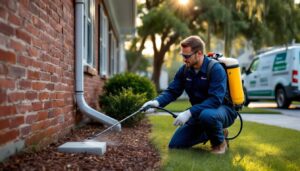
Ground Nests: Approach slowly from the side, not directly over the entrance. Spray directly into the hole for 5 to 10 seconds, saturating the opening. Immediately retreat and don’t return until the next morning. If activity persists, repeat treatment. After two nights with no activity, you can cover the entrance with soil.
Wall Voids: Use products specifically labeled for crack-and-crevice application or dust formulations (deltamethrin or permethrin dust). Apply at the entry point using a hand duster. Never seal the entrance before treatment, trapped wasps will find new exits into your living space. Wait 48 to 72 hours before sealing.
Safety Gear: Wear long sleeves, pants, gloves, closed-toe shoes, and safety goggles. Keep a flashlight with a red filter, yellow jackets don’t respond to red light as strongly as white light. Have an escape route planned and keep children and pets indoors.
Some homeowners pair chemical treatments with essential equipment designed for safe application from a distance. Never use gasoline, fire, or flooding, these methods are ineffective and dangerous. Additional guidance from pest control experts emphasizes the importance of proper product selection and application technique.
When to Call a Professional Exterminator
Some situations demand professional intervention, no matter your DIY confidence level.
Large or Hidden Colonies: If you’re dealing with thousands of wasps or a nest inside structural walls, attic spaces, or underneath concrete, professional equipment and expertise are necessary. Pros use specialized dust applicants, thermal imaging, and commercial-grade insecticides not available to consumers.
Allergy Concerns: Anyone in the household with known venom allergies should not attempt nest removal. The risk of anaphylactic shock far outweighs any cost savings.
Multiple Nests: Two or more active nests on one property require coordinated treatment. Professionals can treat all sites simultaneously, preventing wasps from relocating or establishing satellite colonies.
Failed DIY Attempts: If you’ve treated a nest twice with no reduction in activity, the colony may be larger than visible or located in an inaccessible area. Don’t keep trying, each attempt increases sting risk.
High-Traffic Locations: Nests near playgrounds, doorways, HVAC equipment, or work areas pose ongoing hazards. Professional elimination minimizes exposure time and ensures complete colony destruction.
Professional pest control services typically charge $150 to $500 depending on nest accessibility, colony size, and treatment method. Many providers offer wasp-specific services with guarantees and follow-up visits. According to industry cost data, prices vary by region and season, late summer rates may be higher due to peak demand. Get multiple quotes and confirm the service includes nest removal confirmation, not just pesticide application.
Preventing Future Yellow Jacket Infestations
Elimination is only half the battle. Proactive prevention keeps yellow jackets from returning.
Seal Entry Points: Inspect your home’s exterior each spring. Caulk cracks in siding, seal gaps around utility penetrations, and repair damaged soffit vents. Use ¼-inch hardware cloth over larger openings like crawl space vents.
Eliminate Food Sources: Keep outdoor trash cans tightly covered with locking lids. Clean up fallen fruit from trees promptly. After outdoor meals, wipe down tables and put food away immediately. Don’t leave pet food outdoors for extended periods.
Manage Ground Cover: Fill rodent burrows and groundhog holes with soil, these abandoned tunnels are prime nesting sites. Reduce mulch depth to 2 to 3 inches near foundations: thick mulch provides ideal nesting habitat.
Water Management: Fix leaky outdoor faucets and eliminate standing water in flower pot saucers, bird baths, and low spots in the yard. While yellow jackets need water, reducing convenient sources near your home makes the area less attractive.
Spring Monitoring: In April and May, queens emerge to start new colonies. Early detection, spotting a lone queen or a golf ball-sized starter nest, allows for easy removal before the colony explodes. Walk your property weekly during spring, checking eaves, tool sheds, and landscaping.
Professional Deterrents: Some pest control companies offer seasonal preventive treatments applying residual insecticides to common nesting sites. This barrier treatment costs $75 to $150 and can prevent colony establishment.
Understanding comprehensive pest management strategies helps homeowners develop year-round prevention plans. Expert resources provide seasonal maintenance checklists that include pest prevention alongside other home care tasks.
Consistent prevention, combined with early intervention, keeps yellow jacket populations manageable. Once you’ve eliminated an active colony, maintaining these practices dramatically reduces the likelihood of repeat infestations. The investment in prevention, both time and minor material costs, pays off in a safer, more enjoyable outdoor space throughout the season.