Table of Contents
ToggleFruit flies don’t need much to turn your kitchen into a breeding ground, just a forgotten banana or a splash of juice left in a glass. These tiny pests multiply fast, with a single female laying up to 500 eggs in her short lifespan. Within days, you’ve got a full-blown swarm hovering around your produce and sink. But here’s the good news: you don’t need an exterminator for most fruit fly problems. With the right traps and prevention habits, you can wipe them out in less than a week and keep them from coming back.
Key Takeaways
- Fruit fly pest control is highly effective with DIY traps like apple cider vinegar solutions, which can eliminate infestations within a week when combined with proper sanitation.
- Fruit flies multiply rapidly—eggs hatch within 24-30 hours—so eliminating food sources and breeding sites (overripe produce, drains, garbage) is critical to preventing reinfestation.
- An apple cider vinegar trap with dish soap is the most reliable homemade solution; place traps near problem areas and refresh every 2-3 days for best results.
- Prevention requires weekly drain cleaning, storing ripe produce in the refrigerator, rinsing recyclables, and sealing compost bins to deny flies moisture and organic matter.
- If fruit flies persist after two weeks of trapping and sanitation efforts, professional pest control services are worth the $150-$300 investment to address hidden breeding sites.
Why Fruit Flies Invade Your Home
Fruit flies (Drosophila melanogaster) are drawn to fermenting organic matter, overripe fruit, vegetable scraps, spilled soda, or even the residue in your recycling bin. They can squeeze through window screens (their bodies are only about 1/8 inch long) and hitch rides on grocery bags or produce.
Once inside, they reproduce at an alarming rate. Eggs hatch in 24 to 30 hours, and larvae mature into breeding adults in about a week. That’s why a couple of flies on Monday can turn into dozens by Friday.
Common entry points and breeding sites include:
- Overripe or damaged produce left on countertops
- Garbage disposals and drains with trapped food particles
- Recycling bins with unwashed bottles or cans
- Compost bins stored indoors without proper sealing
- Mop buckets and wet rags with organic residue
Even a clean kitchen isn’t immune. A single potato rolling to the back of the pantry or a forgotten onion skin under the sink can fuel an infestation. The key is identifying and eliminating their food source, traps alone won’t solve the problem if flies keep breeding.
DIY Fruit Fly Traps That Actually Work
Homemade traps are cheap, effective, and can be assembled in under five minutes with pantry staples. These methods work by luring flies with fermentation scents, then trapping them so they can’t escape.
Apple Cider Vinegar Trap
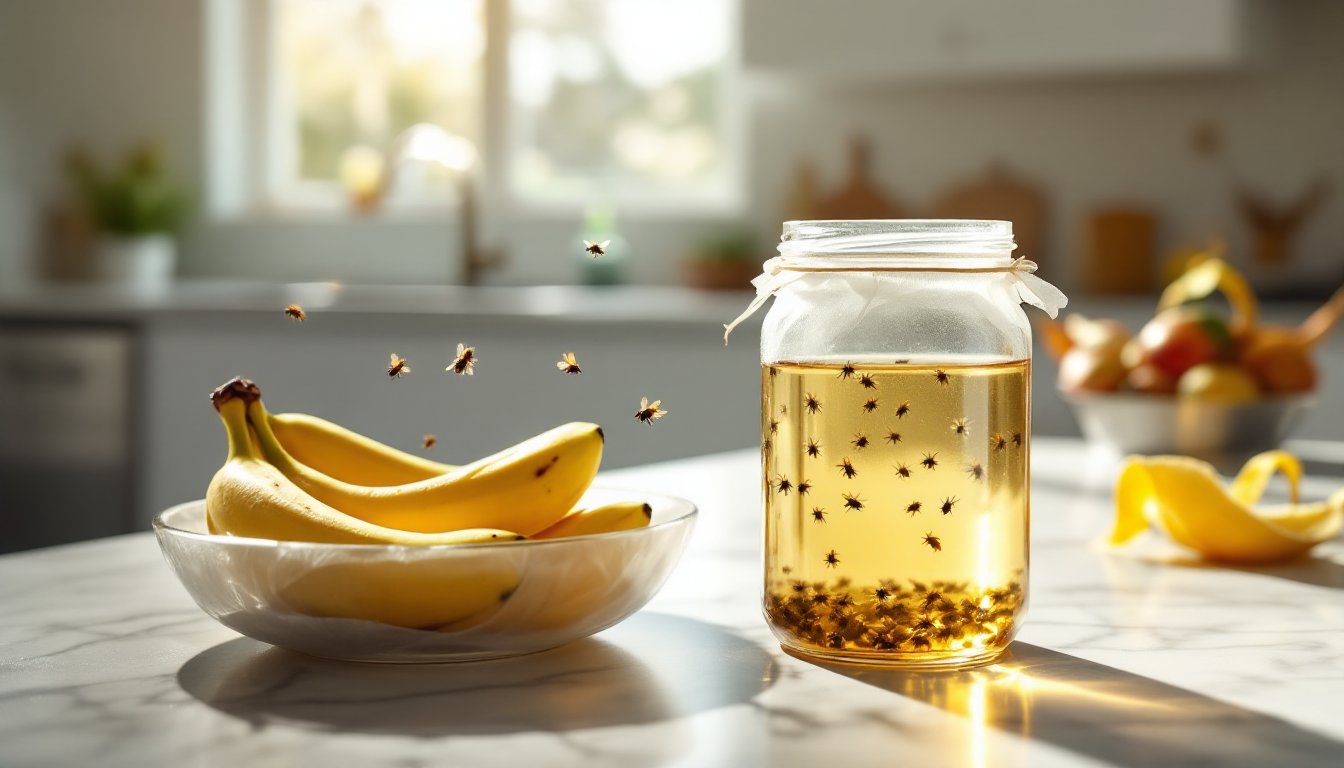
This is the most reliable DIY solution. The acetic acid in apple cider vinegar mimics the smell of rotting fruit.
Materials:
- 1/2 cup apple cider vinegar (raw, unfiltered works best)
- 2-3 drops liquid dish soap
- A jar or bowl
- Plastic wrap and a rubber band (optional)
Instructions:
- Pour the vinegar into the jar, filling it about halfway.
- Add dish soap and swirl gently. The soap breaks the surface tension, so flies sink instead of landing and flying away.
- Cover the jar with plastic wrap and poke 5-6 small holes with a toothpick, or leave it uncovered, both methods work, but the wrap funnels flies in and makes escape harder.
- Place traps near problem areas: countertops, garbage cans, or drains.
- Replace the solution every 2-3 days as it loses potency.
You should see drowned flies within a few hours. For stubborn infestations, set up multiple traps. Many homeowners using holistic pest control methods rely on this non-toxic approach before escalating to chemical solutions.
Wine and Dish Soap Solution
Fruit flies are particularly attracted to red wine because of its high sugar and yeast content. If you’ve got a bottle that’s gone bad, this is a perfect use for it.
Materials:
- 1/4 cup red wine (cheap table wine is fine)
- 2 drops dish soap
- A shallow dish or jar
Instructions:
- Pour the wine into the dish.
- Add dish soap, don’t stir vigorously: you want the soap dispersed but not foamy.
- Leave the dish uncovered near fruit bowls or trash cans.
- Dispose of trapped flies and refresh the wine every 2 days.
This method works faster than vinegar in some cases because the alcohol scent travels farther. Combine it with proper sanitation for best results, as recommended by standard pest control practices.
Preventing Future Fruit Fly Infestations
Traps kill existing flies, but prevention keeps them from returning. Fruit flies need moisture and organic matter to breed, so your goal is to eliminate both.
Storage and sanitation:
- Refrigerate ripe produce. Bananas, tomatoes, and stone fruits are magnets for flies once they start softening. If you prefer room-temperature fruit, store it in a mesh cover or sealed container.
- Wash produce immediately. Eggs can hitch a ride from the store. A quick rinse removes them before they hatch.
- Empty garbage daily. Even with a sealed lid, organic matter inside can breed flies. Use bags with tie closures and don’t let trash sit overnight.
- Rinse recyclables. Beer bottles, soda cans, and juice containers should be rinsed before going in the bin. Residual liquid is a breeding site.
- Clean drains weekly. Pour 1/2 cup baking soda followed by 1 cup white vinegar down kitchen and bathroom drains, let it fizz for 10 minutes, then flush with boiling water. This dissolves the biofilm where flies lay eggs. For persistent drain issues, use a stiff drain brush to scrub the sides.
Structural and behavioral fixes:
- Check window and door screens for tears. Fruit flies slip through gaps as small as 1/16 inch.
- Don’t leave dirty dishes overnight. Even a cereal bowl with milk residue can attract flies.
- Seal compost bins. Indoor composting is great, but use a bin with a tight-fitting lid and empty it every 3-4 days.
- Wipe down countertops and sinks nightly. A damp sponge with dish soap removes the sticky residue flies feed on.
Some enthusiasts who prioritize DIY pest control methods also deploy sticky traps near trash cans as an early warning system, if flies start showing up on the strips, you know to double down on sanitation. Effective prevention is a cornerstone of essential pest control strategies.
One often-missed breeding site: potted plants. Overwatering creates soggy soil where fungus gnats (often mistaken for fruit flies) thrive. Let the top inch of soil dry out between waterings and consider adding a 1/2-inch layer of sand on top to disrupt the lifecycle.
When to Call a Professional Exterminator
Most fruit fly problems resolve with DIY methods within 7-10 days. But if you’re still seeing flies after two weeks of trapping and sanitation, it’s time to escalate.
Signs you need professional help:
- Flies persist even though eliminating all visible food sources. They may be breeding in hidden areas like wall voids, crawl spaces, or damaged plumbing.
- You suspect drain flies instead of fruit flies. Drain flies (also called moth flies) look fuzzier and breed in the sludge inside pipes. They require different treatment, often enzyme-based drain cleaners or pipe replacement.
- Large-scale infestations in commercial settings. Restaurants, bars, and grocery stores need faster intervention to meet health code requirements.
- Structural issues. Rotting subflooring, leaky pipes, or decaying material behind walls can harbor breeding populations that DIY traps can’t touch.
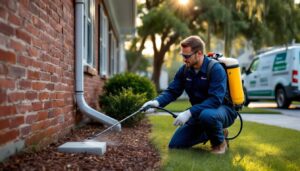
A licensed pest control technician will inspect with pest control equipment like UV lights and moisture meters to locate hidden breeding sites. They may apply insect growth regulators (IGRs) to disrupt the lifecycle or use fogging treatments in severe cases.
Expect to pay $150-$300 for a single treatment visit, though prices vary by region and infestation severity. Many companies offer guarantees, if flies return within 30 days, they’ll retreat at no charge.
If you’re dealing with a persistent problem and want to understand broader strategies, reviewing expert advice on eliminating fruit flies can provide additional insight.
Don’t confuse fruit flies with other small flying insects. Fungus gnats are drawn to damp soil, phorid flies breed in organic buildup in drains and sewers, and drain flies cluster around pipes. Misidentifying the pest wastes time and money. If you’re unsure, capture a specimen in a clear jar and show it to a professional or compare it to photos on sites like The Spruce or Hunker.
Conclusion
Fruit flies are a nuisance, but they’re also one of the easiest pests to control with consistent effort. Set traps, lock down food sources, and clean drains weekly. Most infestations collapse within a week. If they don’t, call in a pro, it’s a small price for peace of mind.