Table of Contents
TogglePest infestations don’t wait for convenient timing. When rodents scratch in the walls or termites threaten structural integrity, homeowners need reliable intervention fast. Americare Pest Control operates in select regions, offering residential and commercial services aimed at eliminating common household pests. This review examines what the company provides, how pricing stacks up, and where it fits among pest management alternatives. For anyone weighing professional extermination versus DIY methods, understanding a provider’s capabilities and limitations matters before signing a service agreement.
Key Takeaways
- Americare Pest Control is a regional provider offering residential and commercial pest management services in the southeastern United States, with a business model centered on recurring quarterly contracts rather than one-time treatments.
- Americare’s service offerings include general pest control, termite treatment (ranging from $1,200 to $4,000+), rodent exclusion, and mosquito control, with pricing typically requiring in-person inspections rather than online quotes.
- The company delivers mid-tier value between DIY methods and national pest control brands, offering personalized service and competitive pricing but with potential drawbacks including inconsistent scheduling and variable technician quality.
- Effective pest management with Americare requires homeowners to clearly identify pest issues, obtain written estimates from multiple providers, and verify state licensing before signing any service agreement.
- Unlike national chains, Americare uses EPA-registered products common across the industry and lacks NPMA accreditation, so quality assurance depends on individual technician training and regional licensing compliance.
What Is Americare Pest Control?
Americare Pest Control is a regional pest management provider serving primarily residential customers in the southeastern United States. The company handles standard pest issues, ants, roaches, spiders, rodents, and termites, through scheduled treatments and reactive service calls. Unlike national franchise chains with standardized protocols, Americare operates with localized technician teams familiar with regional pest pressures and climate-specific challenges.
The business model centers on recurring service contracts rather than one-time treatments. Technicians typically perform quarterly exterior perimeter treatments with interior spot applications as needed. Contracts include follow-up visits if pests reappear between scheduled services, though specifics depend on the plan tier. Americare doesn’t manufacture proprietary products: technicians use EPA-registered insecticides and rodenticides common across the industry.
Customer reviews on platforms like Angi show mixed feedback. Positive mentions highlight responsive scheduling and thorough exterior treatments. Complaints frequently cite communication gaps, missed appointments or delays in returning service calls, and inconsistent results requiring multiple retreatments. Smaller regional operators often excel in personalized service but lack the infrastructure for instant dispatch that larger chains maintain.
Americare holds state-required pest control licenses in jurisdictions where it operates. Technicians receive training in proper application rates, label compliance, and safety protocols. The company isn’t accredited by the National Pest Management Association (NPMA), which is voluntary but signals adherence to industry best practices. Homeowners should verify current licensing through their state’s agriculture or consumer protection department before contracting any pest service.
Services Offered by Americare Pest Control
Residential Pest Management Solutions
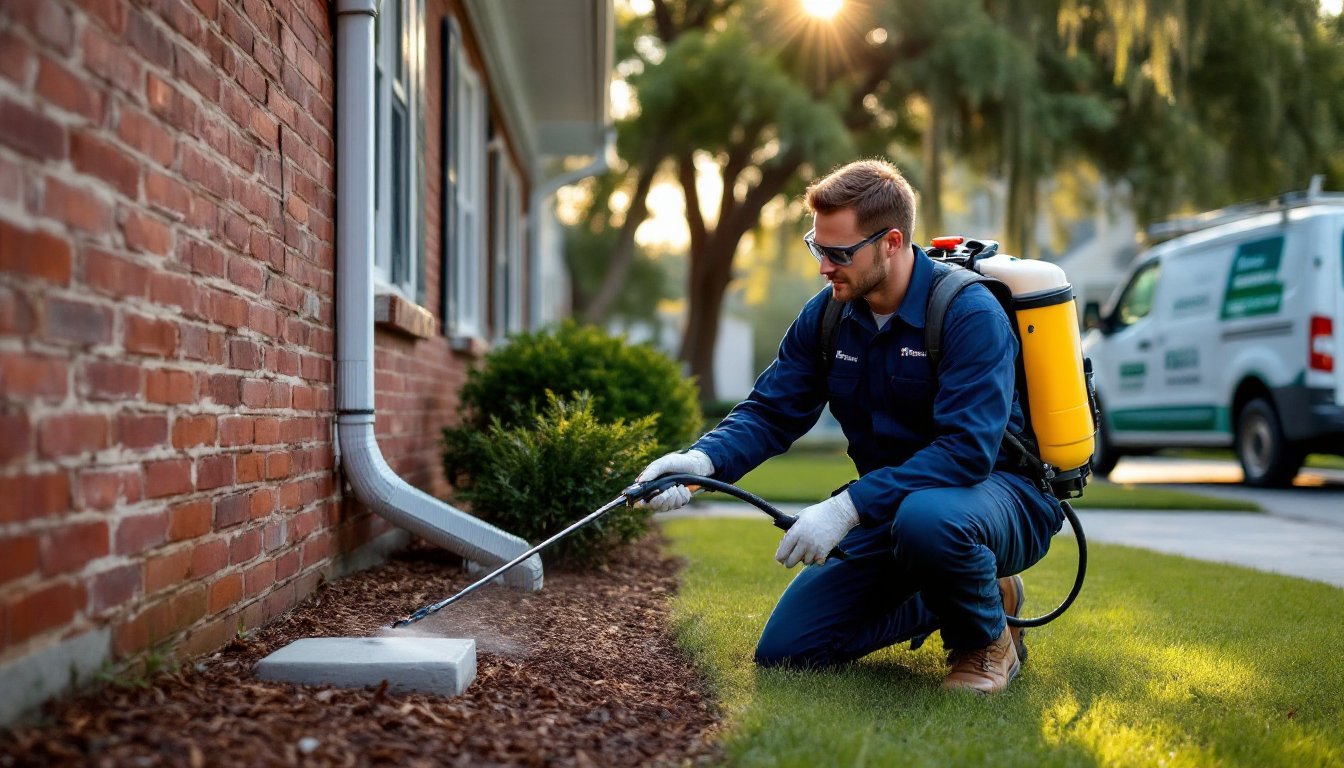
Americare’s core residential offering targets general pest control, the insects and arachnids that invade living spaces seasonally or year-round. Standard treatments cover ants (including carpenter ants), roaches, spiders, silverfish, earwigs, and millipedes. Technicians apply liquid insecticides along foundation perimeters, entry points, and under eaves, creating a barrier that intercepts pests before they penetrate the envelope. Interior treatments use gel baits, dusts, or targeted sprays in cracks, crevices, and behind appliances.
Termite control is offered as a separate service, usually requiring a specialized inspection and treatment plan. Subterranean termites, the variety causing 95% of U.S. structural damage, require either liquid soil treatments (trenching around the foundation and injecting termiticide) or bait station systems. Drywood termite treatments demand fumigation or localized wood treatments, which some regional operators subcontract to specialists. Americare’s termite work includes initial treatment and annual inspections, critical for maintaining treatment warranties and catching re-infestations early.
Rodent exclusion and trapping addresses mice and rats. Effective rodent control isn’t just poison bait, it requires identifying entry points (gaps around utility penetrations, vents, foundation cracks) and sealing them with hardware cloth, steel wool, or foam. Americare technicians inspect for entry vulnerabilities and install snap traps or bait stations in attics, crawlspaces, and along runways. Homeowners dealing with persistent attic pest problems benefit from exclusion work paired with insulation inspection, since rodents compress and contaminate blown-in fiberglass.
Commercial and Specialized Services
Americare extends service to small commercial accounts, restaurants, retail shops, office buildings, and warehouses. Commercial pest control operates under stricter documentation requirements, especially in food service where health department inspections demand integrated pest management (IPM) logs, monitor trap records, and corrective action documentation. Treatments must avoid contaminating prep surfaces or food storage areas, so technicians rely more on non-repellent baits, pheromone traps, and exclusion tactics.
Mosquito control programs treat outdoor living spaces during warm months. Treatments involve misting vegetation, standing water sources, and shaded resting areas with adulticides (knock down existing mosquitoes) and insect growth regulators (disrupt larval development). Effectiveness lasts two to four weeks depending on rainfall and new mosquito emergence. Homeowners should eliminate standing water in gutters, tarps, and containers, no treatment compensates for breeding habitat left undisturbed.
Wildlife removal, such as squirrel, raccoon, or bat exclusion, may fall outside Americare’s standard offerings. Many pest control companies partner with or refer customers to licensed wildlife control operators who handle trapping, relocation, and exclusion for larger animals. State regulations vary on who can handle wildlife: some jurisdictions require separate licensing beyond pest control credentials.
Pricing and Service Plans
Americare pricing isn’t published online: quotes come after an inspection assesses square footage, pest pressure, and treatment complexity. For general pest control, expect $80 to $150 for initial service and $40 to $80 per quarterly visit for a 1,500- to 2,500-square-foot home in the Southeast. These figures align with regional averages but can swing based on property conditions and contract terms. Multi-year contracts sometimes discount per-visit rates in exchange for commitment.
Termite treatment costs vary dramatically by method. Liquid termiticide applications run $1,200 to $2,500 for an average home, depending on linear footage of foundation to be trenched and treated. Bait systems start around $1,500 to $3,000 for installation plus annual monitoring fees. Drywood termite fumigation (tenting the entire structure) costs $2,000 to $4,000+ but eradicates all colonies in one treatment. Americare’s termite pricing should include a damage warranty, read terms carefully, since most warranties exclude pre-existing damage and require continuous monitoring to remain valid.
Rodent control packages typically begin with an initial inspection and sealing service ($200 to $500), followed by ongoing monitoring visits. If structural repairs are needed, replacing rotted sill plates, screening vents, or capping chimneys, costs escalate quickly. Some companies itemize exclusion work separately: others bundle it into a flat-rate package. Confirm what’s included before signing, especially if the inspector identifies multiple entry points.
Pricing transparency varies among pest control providers. National chains often list starting prices online, while regional operators like Americare prefer in-person quotes. This approach allows tailored solutions but can complicate price shopping. Request written estimates from at least two competitors to gauge market rates, and compare what each service includes: number of visits, retreatment guarantees, and whether interior treatments cost extra. Understanding typical pest control rates helps homeowners spot inflated quotes or suspiciously low bids that may cut corners.
How Americare Compares to Other Pest Control Options
Americare sits in the middle tier of pest control providers, above DIY methods in effectiveness and convenience, below national brands in infrastructure and service consistency. National chains (Orkin, Terminix, Rentokil) offer 24/7 customer support, mobile app scheduling, and technician GPS tracking. They operate in all 50 states with standardized treatment protocols and centralized quality control. The tradeoff? Less personalized service and higher prices, often 10% to 20% more than regional competitors for equivalent treatments.
Local independent operators provide the most flexible, relationship-driven service. Owners often perform treatments themselves, ensuring consistency and accountability. Pricing tends to be competitive, and independents adapt quickly to unique situations, custom exclusion work, wildlife integration, or eco-friendly product requests. The downside: limited availability for emergency calls and potential service disruptions if the owner becomes unavailable. Homeowners prioritizing quick response and predictable scheduling may prefer larger organizations.
DIY pest control appeals to budget-conscious homeowners willing to invest time learning application techniques. Products sold at home centers, liquid concentrates, granular baits, aerosol sprays, contain the same active ingredients professionals use, though often at lower concentrations. Resources like Bob Vila offer project guides covering common pest issues, but DIY efforts face limitations. Misapplication wastes product and risks human or pet exposure. Identifying pest species correctly matters, baits effective on ants may not touch roaches, and spraying repellent insecticides can scatter German roach infestations deeper into walls.
For straightforward issues, seasonal ant trails, occasional spiders, homeowners with solid DIY pest control skills can manage infestations using retail products and thorough sanitation. Structural pests (termites, carpenter ants, wood-boring beetles) and health-risk situations (bed bugs, disease-carrying rodents) justify professional intervention. Americare and similar regional providers bridge the gap: more expertise and equipment than DIY, less corporate overhead than national brands.
Another factor is treatment philosophy. Some companies push monthly interior spraying, profitable for the provider but often unnecessary. Integrated pest management emphasizes exclusion, sanitation, and targeted treatments over blanket pesticide application. Ask prospective providers how they reduce chemical use and whether they’ll identify conducive conditions (moisture issues, entry points, sanitation lapses) rather than just spraying and leaving. Homeowners researching professional pest management approaches find that transparent communication about treatment rationale separates quality operators from sales-driven outfits.
Conclusion
Americare Pest Control delivers regionally focused pest management with the flexibility smaller operators offer and the limitations they face, inconsistent availability and variable service quality depending on technician assignment. Homeowners benefit most when they clearly define pest issues, compare detailed written estimates, and verify licensing before signing contracts. Whether Americare suits a particular property depends on local competition, specific pest pressures, and how much value is placed on personalized service versus the infrastructure of national chains. For uncomplicated residential pest control in its service footprint, Americare provides a mid-tier option worth evaluating alongside both independent locals and larger brands.