Table of Contents
ToggleBoise’s mix of urban living and nearby sagebrush country creates a pest cocktail that catches homeowners off guard. Between box elder bugs clustering on sunny siding in fall, carpenter ants chewing through softwood trim, and mice hunting for cozy wall cavities come winter, pest pressure here runs year-round. DIY sprays and sticky traps might knock back a few stragglers, but infestations often burrow deeper than a weekend warrior can reach. That’s when calling a local pest control service shifts from “nice to have” to “necessary.” This guide breaks down Boise’s top-rated pest control companies, what to look for in a provider, common pest headaches specific to the Treasure Valley, and realistic cost expectations for 2026.
Key Takeaways
- Professional pest control in Boise is essential year-round due to the region’s semi-arid climate and seasonal pest migrations that DIY methods cannot adequately address.
- When choosing a pest control service, verify Idaho state licensing, check service agreement details, and review treatment methods—ensuring the provider explains active ingredients and recommends structural solutions like caulking and sealing.
- Box elder bugs, carpenter ants, pavement ants, rodents, and wasps are the primary pest problems in Boise’s Treasure Valley, each requiring targeted treatment approaches specific to local habitat and building types.
- Boise pest control costs range from $150–$300 for initial inspections and treatments, with quarterly maintenance plans averaging $100–$175 per visit, while specialized services like termite bonds or emergency wasp removal run significantly higher.
- Combining professional pest control services with consistent homeowner maintenance—sealing foundation gaps, installing door sweeps, trimming vegetation, and fixing moisture issues—reduces long-term pest pressure and prevents expensive structural damage.
Why Professional Pest Control Matters in Boise
Boise’s semi-arid climate with cold winters creates a survival bottleneck for pests. When temperatures drop below freezing, rodents and insects seek shelter, often in wall cavities, attics, and crawl spaces where homeowners don’t notice until damage accumulates. Spring thaw brings ant swarms and wasps rebuilding nests under eaves, while summer heat drives spiders and earwigs indoors hunting moisture.
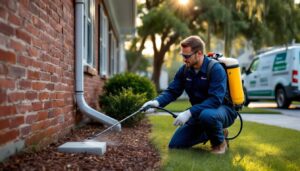
Professional pest control companies bring three critical advantages: targeted product selection (commercial-grade materials not sold retail), structural knowledge (identifying entry points in foundation gaps, soffit vents, and weep screed), and follow-up protocols that DIY methods skip. A trained technician knows the difference between pavement ant trails needing granular bait and carpenter ant galleries requiring foam injections behind baseboards.
Boise sits in Ada County, which follows Idaho state pesticide applicator licensing requirements. Licensed operators complete training on chemical handling, environmental safety, and integrated pest management (IPM) strategies that reduce long-term reliance on sprays. Unlicensed services or fly-by-night operators may cut corners on application rates or skip crucial prep work like sealing cracks before treating.
Ignoring persistent infestations costs more than a service contract. Carpenter ants and termites (yes, subterranean termites exist in parts of Ada County) compromise structural lumber. Rodents chew through NM-B electrical cable (Romex), creating fire hazards, and their droppings spread hantavirus. Professional intervention stops damage before it requires a general contractor and a dumpster.
Top-Rated Pest Control Companies in Boise
Selecting a pest control provider in Boise means weighing local expertise against national chains. Here are standout options based on service range, customer feedback, and response times.
Barrier Pest Control specializes in perimeter treatments and crawl space vapor barrier work, crucial for Boise homes built on post-and-pier foundations. Their quarterly service packages include spider web knockdown and wasp nest removal. Customers report solid communication and techs who show up on schedule.
Sawtooth Pest Control focuses on eco-conscious treatments using botanical oils and targeted baiting systems. They handle box elder bug invasions (a Boise staple every September) without saturating yards in synthetic pyrethroids. Good fit for homeowners with pets or vegetable gardens.
EcoSense Pest Control offers same-day emergency response for wasps and rodent sightings. Their inspection reports include digital photos of entry points and treatment zones, helpful for insurance claims or future DIY caulking projects. Pricing runs mid-range for the Boise market.
Orkin and Terminix maintain Boise branches with 24/7 scheduling and broad service menus, from termite bonds to bed bug heat treatments. National backing means guaranteed callback coverage, though you may see different techs each visit. Some homeowners report sticker shock on upsells.
Many top-rated services appear on platforms like Angi’s verified reviews, where customers detail response speed and treatment effectiveness. Cross-check multiple sources before signing a contract.
What to Look for When Choosing a Pest Control Service
Don’t pick a pest control company based on a truck wrap and a Google ad. Vet them like you would a roofer or electrician.
Licensing and insurance come first. Idaho requires commercial pesticide applicators to hold a state license issued by the Idaho State Department of Agriculture. Ask for the license number and verify it online. General liability insurance protects you if overspray damages landscaping or a tech trips over your garden hose.
Service agreement details matter more than the quoted price. Does the contract include unlimited callbacks between scheduled visits if ants reappear? What pests are covered, and which require upcharges? Some companies exclude wasps or rodents from base plans. Read the fine print on cancellation terms: a few operators lock you into 12-month agreements with early termination fees.
Treatment methods and products should be explained upfront. A good tech walks you through the plan: “We’ll apply a non-repellent transfer insecticide along the foundation, then foam carpenter ant galleries in the wall void behind your bathroom.” If they can’t name the active ingredient (fipronil, bifenthrin, boric acid, etc.) or explain why it’s appropriate, that’s a red flag.
References and reviews tell the real story. Ask neighbors in your subdivision which company they use. Treasure Valley Facebook groups and Nextdoor threads often surface candid feedback about local providers. Look for patterns: Does a company ghost after the first visit? Do techs respect landscaping and pets?
Finally, consider integrated pest management (IPM) commitment. Quality operators don’t just spray and bail. They recommend structural fixes, installing door sweeps, caulking foundation cracks, trimming shrubs back from siding, that reduce future pest pressure. Professionals utilizing proven pest control equipment can identify and treat issues before they escalate.
Common Pest Problems Boise Homeowners Face
Boise’s pest roster differs from humid climates. Expect these offenders year-round.
Box elder bugs swarm sunny south- and west-facing walls every fall, clustering around windows and door frames. They don’t bite or damage structures, but their sheer numbers (hundreds at a time) and pungent odor when crushed drive homeowners nuts. Professional treatments focus on residual perimeter sprays applied before September migrations.
Carpenter ants thrive in Boise’s older homes with moisture-damaged wood. Unlike termites, they don’t eat wood, they excavate galleries for nesting. Signs include sawdust piles (frass) near baseboards and faint rustling sounds inside walls at night. Effective control requires locating the parent colony, often in a rotted sill plate or roof sheathing, and injecting foam insecticide.
Pavement ants trail across driveways and into kitchens through expansion joints and weep screed gaps. They’re harmless but persistent. Granular baits applied along foundation perimeters intercept foragers before they reach your countertop.
Mice and voles infiltrate garages and crawl spaces as temperatures drop. Boise’s older neighborhoods with mature landscaping and gravel foundations provide ideal rodent habitat. Look for droppings (rice-sized pellets) near water heaters and furnace closets. Snap traps work for small populations: larger infestations need bait stations and entry point sealing.
Wasps, especially yellowjackets and paper wasps, build nests under eaves, in soffit vents, and inside wall cavities accessed through weep holes. August and September bring peak aggression as colonies mature. Knockdown sprays handle exposed nests: concealed colonies may require drilling and foaming.
Spiders (hobo spiders, wolf spiders, and black widows) hunt indoors during summer heat. Most are harmless nuisances, but black widows in garages and sheds pose a bite risk. Regular perimeter treatments and reducing clutter in basements cut down populations. Understanding standard pest control methods helps homeowners maintain protection between professional visits.
DIY Pest Prevention Tips for Boise Homes
Professional pest control works best alongside consistent homeowner maintenance. These tactics reduce pest pressure before it requires a service call.
Seal foundation gaps and cracks. Walk your home’s perimeter and caulk any opening wider than 1/8 inch. Use polyurethane or silicone caulk for exterior applications: it flexes with seasonal temperature swings. Pay special attention to where utilities (gas lines, cable, PVC conduit) penetrate the foundation. Stuff larger gaps with copper mesh or steel wool before caulking, rodents chew through foam backer rod alone.
Install door sweeps and weatherstripping. Garage doors and exterior doors should have neoprene or vinyl sweeps that contact the threshold fully. A gap tall enough to slide a credit card under is an open invitation to ants and spiders.
Trim vegetation back from siding. Shrubs, tree branches, and ivy touching your home create moisture traps and pest highways. Maintain at least a 12-inch clearance between plants and siding. Cut back overhanging branches: carpenter ants and mice use them as bridges to rooflines.
Fix moisture issues promptly. Leaky gutters, dripping hose bibs, and damp crawl spaces attract pests. Repair drips, extend downspouts 6 feet from the foundation, and consider a crawl space vapor barrier if you notice standing water or musty odors. Carpenter ants won’t colonize dry, sound lumber.
Store firewood and lumber away from structures. Stack firewood at least 20 feet from the house on a raised rack. Lumber piles against the garage become carpenter ant condos.
Reduce interior clutter. Basements and garages filled with cardboard boxes and old newspapers provide harborage for spiders and hiding spots for mice. Switch to plastic storage bins with tight lids.
For those interested in tackling minor issues themselves, DIY pest control strategies offer effective solutions for localized problems. Homeowners can also explore holistic approaches that minimize chemical use while maintaining effectiveness.
Cost of Pest Control Services in Boise
Pest control pricing in Boise varies by service type, property size, and infestation severity. Expect these ranges for 2026, though material costs and fuel surcharges can shift numbers.
Initial inspection and treatment for a typical single-family home (1,500–2,500 sq ft) runs $150–$300. This includes a perimeter spray, interior spot treatments, and basic web/nest removal. Larger properties or homes requiring crawl space access cost more.
Quarterly maintenance plans average $100–$175 per visit with a four-visit annual contract. Some companies discount the per-visit rate if you prepay annually. Quarterly service covers seasonal pest shifts, spring ants, summer wasps, fall box elder bugs, winter rodent exclusion checks.
One-time treatments for specific pests cost more than ongoing plans. Wasp nest removal ranges $75–$200 depending on nest location (ground nests are cheaper than second-story soffits). Rodent control with trap placement and exclusion work runs $200–$500 for an initial setup, then $75–$125 per follow-up visit.
Termite inspections and treatments occupy their own price tier. A visual inspection (required for real estate transactions) costs $75–$150. If termites are found, liquid trench treatments or bait station systems run $1,200–$3,000 depending on home size and soil conditions. Termite bonds with annual monitoring add $150–$300 per year.
Bed bug treatments using heat or chemical applications cost $500–$1,500 per room, making whole-home infestations a multi-thousand-dollar problem. Most Boise companies subcontract bed bug work to specialists.
Prices fluctuate regionally and seasonally. Companies charge more for emergency weekend service or last-minute yellowjacket nest removals in August. Get quotes from three providers and compare what’s included. Homeowners researching options can review general pest control costs to understand national averages, though local Boise rates may differ. Platforms like HomeAdvisor provide cost calculators that factor in regional labor rates and material pricing, while The Spruce offers seasonal pest prevention guides that can reduce long-term service expenses.
Conclusion
Boise’s pest challenges don’t pause for winter or take weekends off. A solid pest control partnership combines professional expertise with homeowner vigilance, sealing entry points, managing moisture, and staying ahead of seasonal surges. Whether it’s a quarterly perimeter treatment or emergency wasp removal, the right service handles what DIY can’t reach while respecting your time, property, and budget.