Table of Contents
ToggleSarasota’s subtropical climate brings year-round warmth, ocean breezes, and, unfortunately, a steady parade of pests looking to set up camp in your home. From termites chewing through framing lumber to mosquitoes breeding in a clogged gutter, the local pest pressure here isn’t seasonal, it’s constant. Whether you’re dealing with an active infestation or trying to stay ahead of the problem, knowing which pest control companies deliver results and what to look for in a service can save both your home’s structure and your peace of mind.
Key Takeaways
- Sarasota’s year-round subtropical climate creates constant pest pressure, making professional pest control in Sarasota essential for protecting your home’s structure from termites, rodents, and mosquitoes.
- Termites pose the greatest structural threat in Florida, with subterranean termites building mud tubes and causing over $5 billion in annual U.S. property damage; professional treatment using liquid barriers or bait systems is more effective than DIY approaches.
- When selecting a pest control service, verify Florida state licensing, request detailed inspections before treatment, confirm EPA-registered products, and compare itemized quotes—prices typically range from $50–$150 for general treatments to $1,200–$2,500 for whole-house termite treatment.
- Prevention through moisture control, sealing entry points, trimming vegetation, and regular inspections is more cost-effective than treating active infestations and can reduce the need for frequent professional interventions.
- Mosquitoes breed rapidly in standing water and can transmit diseases like West Nile virus; professional barrier sprays reduce populations by 80–90% while DIY prevention includes eliminating breeding sites and installing tight-weave screens.
Why Sarasota Homes Need Professional Pest Control
Sarasota sits in USDA Hardiness Zone 10a, which means no winter freeze to knock back insect populations. High humidity, frequent rain, and sandy soil create ideal conditions for termites, ants, roaches, and rodents. Homes here face higher risks than properties in temperate climates.
Termites are a major threat. Subterranean termites thrive in Florida’s moisture-rich soils and can compromise floor joists, sill plates, and even roof trusses before homeowners notice damage. The National Pest Management Association estimates that termites cause over $5 billion in property damage annually in the U.S., with Florida ranking among the highest-risk states.
Beyond structural pests, mosquitoes breed year-round in standing water, think clogged gutters, birdbaths, or low spots in the yard. They’re not just a nuisance: they carry diseases like West Nile virus and dengue fever. Professional mosquito treatments target larvae and adult populations more effectively than retail foggers.
Rodents exploit gaps as small as ¼ inch around utility penetrations, garage doors, and soffit vents. Once inside, they chew through electrical wiring (a fire hazard), contaminate insulation, and reproduce rapidly.
DIY methods, baits, traps, spray cans, can handle minor problems, but they rarely address the source. Professional pest control companies use Integrated Pest Management (IPM) strategies: inspections to identify entry points, targeted treatments, and follow-up monitoring. For homes with ongoing issues or high-value structures, that approach is worth the investment.
Top Pest Control Companies in Sarasota
Choosing a pest control provider in Sarasota means sorting through dozens of local and national companies. Here are standout options based on service range, customer reviews, and specialization.
Terminix operates multiple locations in the Sarasota area and offers comprehensive termite inspections, mosquito control, and general pest plans. They provide free inspections and customizable service schedules. Terminix is a solid choice for homeowners who want a national brand with local technicians and a documented service history.
Orkin has a longstanding presence in Florida and specializes in termite treatments using liquid termiticides and bait station systems. Their A.I.M. (Assess, Carry out, Monitor) process includes detailed reporting after each visit, helpful if you’re tracking treatments for a real estate transaction or warranty claim.
Hulett Environmental Services is a Florida-based company with deep knowledge of local pest behavior. They emphasize eco-friendly treatments and integrated pest management. Hulett’s technicians are trained to spot moisture issues, structural vulnerabilities, and conducive conditions that attract pests, helpful if you’re dealing with recurring problems.
Nozzle Nolen serves the Gulf Coast and offers year-round pest prevention plans. They’re known for responsive customer service and quarterly treatments that adjust seasonally (heavier applications in spring and summer, lighter in fall).
Many of these companies appear on verified review platforms like Angi, where you can compare ratings, read recent customer feedback, and check licensing status. Florida requires pest control operators to hold a state license: verify credentials through the Florida Department of Agriculture and Consumer Services before signing a contract.
What to Look for When Choosing a Pest Control Service
Not all pest control companies operate the same way. Here’s what separates a thorough service from a quick spray-and-go.
Licensing and Insurance: Verify the company holds a valid Florida pest control license. Technicians should carry liability insurance to cover accidental damage (overspray on landscaping, for example). Ask for proof upfront.
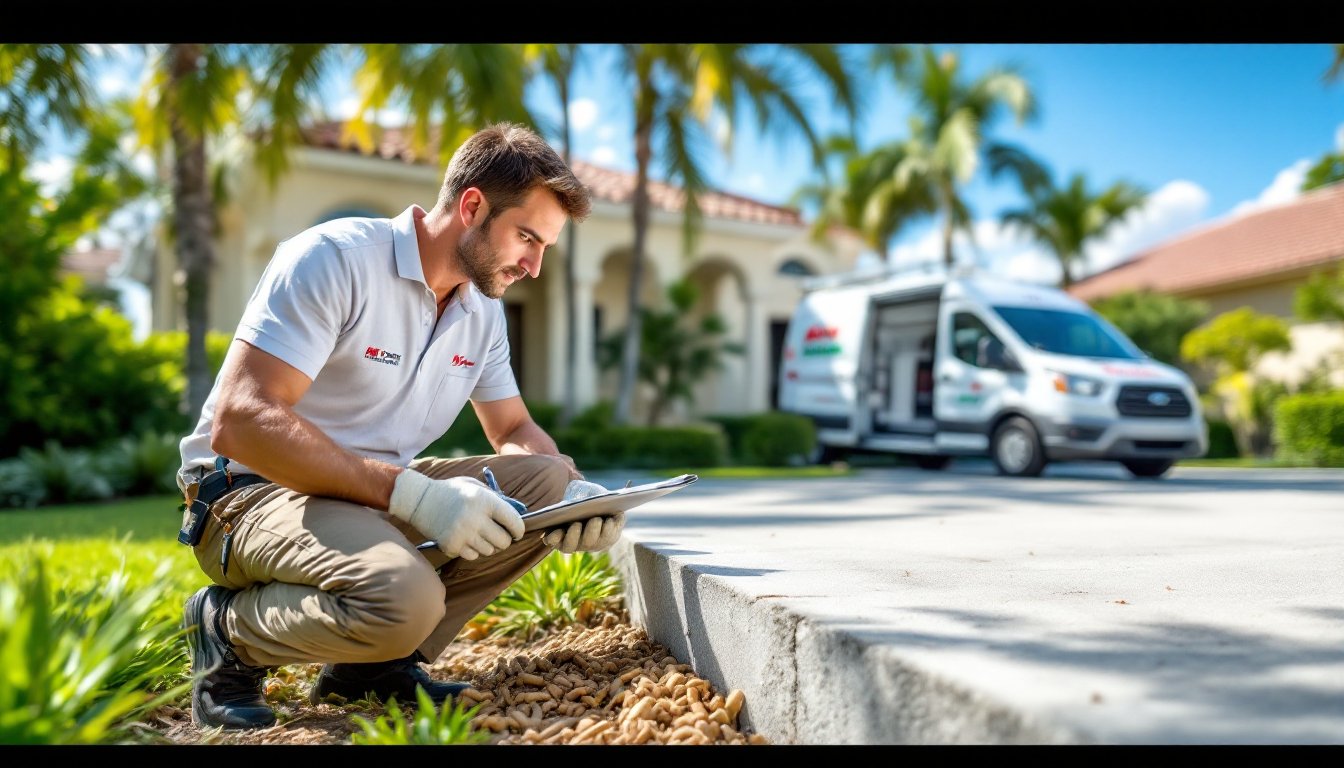
Inspection Process: A quality company starts with a detailed inspection, crawl space, attic, exterior perimeter, garage. They should identify pest entry points, moisture problems, and conducive conditions. If they quote a price over the phone without seeing the property, that’s a red flag.
Treatment Methods: Ask what products they use and whether they’re EPA-registered. For termite control, clarify whether they use liquid barriers (like fipronil or imidacloprid) or bait systems (like Sentricon). Both work, but bait systems require ongoing monitoring.
Service Agreements: Monthly, quarterly, or annual plans should include re-treatment guarantees. Read the fine print, some contracts exclude certain pests (like fleas or bedbugs) or limit the number of follow-up visits. Pest control rates vary by service frequency and property size, so compare itemized quotes.
Warranty and Follow-Up: For termite treatments, a transferable warranty adds resale value. General pest plans should include free re-treatments between scheduled visits if pests return.
Cost ranges from $50–$150 for a one-time general pest treatment, up to $1,200–$2,500 for whole-house termite treatments with warranty. Prices fluctuate based on square footage, infestation severity, and treatment type. Tools like HomeAdvisor offer regional cost calculators, but always get at least two in-person quotes.
Common Pests in Sarasota and How to Handle Them
Sarasota’s pest lineup includes both nuisance species and serious structural threats. Knowing what you’re up against helps you decide when to call in a pro and when a DIY fix works.
Termites and Wood-Destroying Insects
Subterranean termites build mud tubes along foundation walls, slab edges, and pier blocks. These tubes protect workers as they travel between soil and wood. If you spot pencil-width mud tunnels on your foundation or inside the garage, you likely have an active colony.
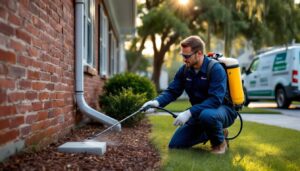
Professional treatment involves trenching around the foundation and applying a liquid termiticide (creating a chemical barrier) or installing in-ground bait stations that workers carry back to the colony. DIY termite control is rarely effective: the products available to homeowners are weaker formulations, and improper application can drive termites deeper into the structure.
Drywood termites infest attic framing, window sills, and furniture. They leave behind frass (tiny wood-colored pellets) near exit holes. Treatment often requires fumigation (tenting the house) or localized spot treatments with foam or dust insecticides. This is licensed work, fumigation involves toxic gas (sulfuryl fluoride) and mandates evacuation.
Carpenter ants don’t eat wood, but they excavate it to build nests. They’re attracted to moisture-damaged framing. If you see large black ants (½ inch or longer) indoors, especially near windows or plumbing, inspect for water leaks. Pros use non-repellent insecticides that ants carry back to the nest.
Mosquitoes and Other Outdoor Pests
Mosquitoes breed in any standing water, clogged gutters, plant saucers, tarps, and low spots in the lawn. A female mosquito can lay up to 300 eggs in a bottle cap’s worth of water.
Professional mosquito control includes barrier sprays (applied to shrubs, fences, and turf) and larvicides for water features or retention ponds. Treatments last 3–4 weeks and reduce populations by 80–90%.
DIY mosquito control starts with eliminating breeding sites: clean gutters, dump standing water, and treat ornamental ponds with Bacillus thuringiensis israelensis (Bti) mosquito dunks. Install tight-weave screens (at least 18×14 mesh) on windows and doors. Handheld foggers and yard sprays provide short-term knockdown but don’t address larvae.
Fire ants build mounds in lawns, flower beds, and along sidewalks. Their stings cause painful welts. Treat mounds with bait-based insecticides (like indoxacarb or spinosad) applied in early morning or late evening when ants are active. Granular baits work better than liquid drenches because worker ants carry the poison back to the queen.
Fleas and ticks latch onto pets and hitch rides indoors. If you have animals, treat the yard with bifenthrin or permethrin sprays, focusing on shaded areas and tall grass. Indoor infestations require vacuuming (daily), washing bedding in hot water, and treating carpets with an insect growth regulator (IGR) to break the reproductive cycle.
DIY Pest Prevention Tips for Sarasota Homeowners
Prevention beats treatment. Most pest problems start with easy access and favorable conditions, both fixable with routine maintenance.
Seal Entry Points: Walk the perimeter and caulk gaps around utility penetrations, dryer vents, and hose bibs. Stuff steel wool into larger openings (rodents can’t chew through it), then cover with expanding foam or hardware cloth (¼-inch mesh). Check weatherstripping on doors and replace worn garage door seals.
Manage Moisture: Fix leaky faucets, repair roof leaks promptly, and ensure gutters drain away from the foundation. Use a dehumidifier in crawl spaces or basements to keep relative humidity below 50%. Termites and carpenter ants target moisture-damaged wood, so eliminating damp conditions cuts off their food source.
Store Firewood Properly: Stack firewood at least 20 feet from the house and elevate it on a rack. Termites colonize wood piles and migrate to nearby structures.
Trim Vegetation: Keep shrubs and tree branches at least 12 inches away from siding and the roof. Overhanging limbs create highways for ants, roaches, and rodents.
Use Proper Waste Management: Store trash in sealed bins, rinse recyclables, and don’t leave pet food out overnight. Roaches, ants, and rodents are opportunistic feeders.
Regular Inspections: Twice a year, inspect the attic, crawl space, and garage for signs of pests, droppings, chewed wiring, shed skins, or gnaw marks. Catching problems early limits damage.
For homeowners interested in DIY pest control methods, combining exclusion tactics with targeted treatments (baits, traps, and low-toxicity sprays) handles minor issues. But if you spot termite tubes, hear rodents in the walls, or see roaches during the day (a sign of heavy infestation), bring in a licensed professional.
Consider seasonal adjustments: spring and summer demand more aggressive mosquito and ant control, while fall and winter focus on rodent exclusion as cooler weather pushes them indoors. Following proven pest control tips year-round keeps your home inhospitable to invaders.
Safety Note: When using pesticides, wear nitrile gloves, safety glasses, and a respirator (N95 or P100) if applying dust formulations. Read product labels completely, application rates, re-entry intervals, and PPE requirements vary. Keep children and pets away from treated areas until surfaces dry.
Understanding typical pest control costs helps you budget for both professional services and DIY supplies. Setting aside $300–$600 annually for quarterly treatments is realistic for most Sarasota homes.
If you’re comparing local service models to approaches in other regions, resources like those covering pest management in Frisco or Bloomington offer insight into how climate and pest species shape treatment strategies. Florida’s year-round pest pressure demands more consistent vigilance than temperate zones, where winter provides a natural break.
Staying proactive, combining routine maintenance, strategic exclusion, and professional treatments when needed, protects both your home’s structure and your family’s comfort. Sarasota’s pests are persistent, but with the right approach, they’re manageable.