Table of Contents
ToggleWhen pests invade a home, they don’t send a courtesy notice. Termites chew through structural lumber, rodents nest in insulation, and roaches spread bacteria across kitchen counters. For homeowners in the western United States, Brooks Pest Control has been handling these unwelcome intruders for decades. But what separates a professional pest management company from a DIY attempt with a can of Raid? This guide breaks down Brooks Pest Control’s services, pricing, approach, and whether calling in the pros makes sense for your specific pest problem.
Key Takeaways
- Brooks Pest Control uses Integrated Pest Management (IPM) to combine inspection, exclusion, and targeted treatment rather than reactive spraying, with quarterly service plans for long-term pest prevention.
- Professional pest control is essential for termites, bed bugs, rodent infestations, and wildlife removal, as DIY methods often fail and mistakes can cost thousands in structural damage or health risks.
- Brooks Pest Control pricing ranges from $75–$150 for quarterly general pest visits and $1,000–$2,500 for specialized treatments like termite barriers and bed bug heat therapy, with written service agreements mandatory.
- Proper home preparation—including clearing foundation perimeters, removing clutter, and identifying entry points—significantly increases treatment effectiveness and reduces the need for follow-up visits.
- Brooks Pest Control operates throughout Utah County and Salt Lake County with licensed technicians, earning customer praise for on-time arrivals, thorough termite inspections, and spider control that reduces sightings within two visits.
What Is Brooks Pest Control and What Services Do They Offer?
Brooks Pest Control is a regional pest management company operating primarily in Utah, with a service history spanning several decades. They handle both residential and commercial properties, offering treatments for insects, rodents, and wildlife intrusions.
Their service catalog includes general pest control (ants, spiders, earwigs, crickets), termite inspections and treatments, rodent exclusion and trapping, bed bug heat treatments, and wildlife removal (bats, raccoons, squirrels). Unlike some national franchises that subcontract work, Brooks employs licensed technicians who receive ongoing training in integrated pest management (IPM) techniques.
One standout feature: they offer quarterly service plans rather than one-off treatments. This approach aligns with IPM principles, which emphasize monitoring and prevention over reactive chemical application. For termites, they provide both liquid barrier treatments and baiting systems, depending on soil conditions and construction type.
They also handle pre-construction termite treatments, which involve applying termiticide to the soil before a concrete slab is poured, critical in areas with subterranean termite activity. If you’re building new or adding an addition, this is the time to protect the structure, not after drywall’s up.
Coverage Areas and Service Locations
Brooks Pest Control operates throughout Utah County, Salt Lake County, and portions of central Utah. Their main office sits in Orem, with technicians servicing communities from Provo to Salt Lake City and surrounding suburbs.
Coverage extends to residential neighborhoods, multi-family housing, office buildings, warehouses, and food service facilities. For rural properties with acreage, they’ll assess travel fees upfront, expect distance charges if you’re outside their core service radius.
If you’re on the outskirts of their territory, call ahead. Some companies won’t service properties beyond a certain mileage due to response time constraints, especially for warranty callbacks. Independent operators listed on platforms like HomeAdvisor may offer alternatives if Brooks doesn’t cover your zip code.
How Brooks Pest Control Approaches Common Household Pest Problems
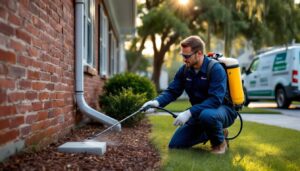
Brooks uses Integrated Pest Management (IPM), a strategy that combines inspection, exclusion, habitat modification, and targeted chemical treatment. This isn’t spray-and-pray extermination: it’s about understanding pest biology and eliminating conditions that let them thrive.
For ants, technicians inspect for entry points (gaps around windows, plumbing penetrations, foundation cracks) and trailing behavior. They’ll apply a combination of perimeter barrier treatments and interior baits. Carpenter ants get special attention, they nest in damp or damaged wood, so moisture control is part of the fix, not just insecticide.
Spider control focuses on exterior treatment zones. Spiders follow prey, so reducing outdoor lighting (which attracts flying insects) and clearing webs from eaves, vents, and foundation areas cuts down indoor sightings. They apply residual pyrethroids to window frames, door sweeps, and weep holes.
Rodents (mice and rats) require a different playbook. Brooks emphasizes exclusion: sealing gaps larger than ¼ inch for mice, ½ inch for rats. This means installing steel wool or copper mesh in pipe chases, repairing damaged vent screens, and caulking foundation cracks. Snap traps and bait stations are placed strategically, never where kids or pets can access them.
For bed bugs, Brooks deploys heat treatment rather than chemical-only approaches. Portable heaters raise room temperatures to 135°F for several hours, which kills bed bugs and eggs in all life stages. This method works well in multi-unit housing where pesticide resistance is common. You’ll need to remove heat-sensitive items (medications, aerosols, electronics) before treatment.
Termite control involves either a liquid barrier (trenching and treating soil around the foundation with termiticide like Termidor or Taurus) or an in-ground baiting system (Sentricon or Advance). Liquid barriers create a treated zone: termites contact it while foraging and die. Bait systems use slow-acting growth regulators that worker termites carry back to the colony. Brooks will recommend the approach based on your home’s construction, soil type, and level of infestation. Wood-destroying pest inspections are also available for real estate transactions, most lenders require them before closing.
Pricing, Plans, and What to Expect From Your Service
Pest control pricing varies by property size, pest type, and treatment frequency. Brooks typically offers quarterly service contracts for general pest control, with initial setup fees higher than follow-up visits.
Expect to pay $100–$150 for an initial treatment on an average single-family home (1,500–2,500 sq ft), with quarterly visits running $75–$100 each. Larger properties or heavy infestations will push costs higher. Annual contracts often come with a service guarantee, if pests return between visits, they’ll retreat at no charge.
Termite treatments are priced separately. A liquid barrier treatment runs $1,200–$2,500 depending on linear footage and access (crawl space vs. slab foundation). Bait systems cost $1,000–$1,800 upfront, plus annual monitoring fees of $300–$400. For context, pest control rates vary widely by region and company, so get written quotes from multiple providers.
Bed bug heat treatments range from $1,000–$2,500 for a single-family home, with multi-room or multi-unit jobs scaling up. This is one area where DIY methods (steamers, diatomaceous earth) rarely succeed on the first attempt, and repeated treatments cost more than hiring pros upfront.
Rodent exclusion and trapping packages start around $300–$600, covering inspection, sealing entry points, and trap placement. Ongoing monitoring adds $50–$75 per visit. If rodents have damaged insulation or wiring, you’ll need separate contractors for remediation, pest control companies don’t do electrical or HVAC repair.
Payment plans: Brooks accepts major credit cards, checks, and some accounts offer auto-pay discounts. Ask about bundling services, if you need both general pest and termite work, you may negotiate a package rate.
Always get a written service agreement. It should specify treatment methods, chemicals used (by active ingredient, not just brand name), warranty terms, and callback policies. If a company won’t put it in writing, walk away.
Brooks Pest Control vs. DIY Pest Management: When to Call the Pros
Not every pest problem requires professional help, but some do. Here’s how to decide.
When DIY makes sense:
- Occasional ants or spiders in low numbers
- Single mouse sighting (set snap traps, seal obvious gaps)
- Outdoor wasps away from high-traffic areas (treat after dusk with aerosol spray)
- Preventive caulking and door sweeps
For homeowners comfortable with DIY pest control methods, proper identification and targeted treatment can handle minor issues. Use boric acid dust in wall voids for roaches, apply perimeter granules (bifenthrin or lambda-cyhalothrin) around the foundation, and maintain a clean, clutter-free environment.
When to call Brooks (or any licensed pro):
- Termites: DIY termiticide application requires specialized equipment (soil treatment rods, large-volume tanks) and knowledge of building codes. Most jurisdictions require licensed applicators for termite work. Mistakes here cost thousands in structural damage.
- Bed bugs: Heat treatment equipment isn’t available at Home Depot, and over-the-counter sprays rarely penetrate all hiding spots (baseboards, electrical outlets, furniture joints). Resistance to pyrethroids is widespread.
- Rodent infestations (multiple droppings, gnaw marks, nesting evidence): Trapping a few mice is one thing: sealing a home with multiple entry points and active colonies requires experience. Rodents carry hantavirus and salmonella, protective equipment and proper disposal matter.
- Stinging insects (yellow jackets, hornets in wall voids or high nests): These require protective gear and treatment timing. Disturbing a nest without proper equipment sends dozens of angry insects after you.
- Wildlife (bats, raccoons, squirrels in attics): Many states regulate wildlife removal. Bats are often protected species: improper exclusion during maternity season (May–August) traps flightless young inside, creating a bigger problem. Licensed wildlife controllers know exclusion timing and legal requirements.
Professional pest control also makes sense when time and convenience matter. Quarterly service means scheduled visits, guaranteed results, and no trips to the hardware store for trial-and-error products. For rental properties or multi-family housing, pros handle documentation and tenant coordination.
If you’re tackling general pests yourself, invest in essential pest control equipment like a quality hand sprayer, dust applicator, and headlamp for inspections. Read product labels completely, application rates, reentry intervals, and PPE requirements are legally binding instructions, not suggestions.
Customer Reviews and What Homeowners Are Saying
Customer feedback for Brooks Pest Control skews positive, with recurring themes around technician professionalism and effective follow-up. Reviews on third-party platforms like Angie’s List highlight responsiveness to callback requests and clear communication about treatment plans.
Common praise points:
- Technicians arrive on time and explain what they’re doing
- Quarterly plans reduce pest sightings over time
- Office staff handles scheduling changes without hassle
- Termite inspections are thorough, with detailed reports for real estate transactions
Criticism tends to focus on pricing (some customers find quarterly costs higher than national chains) and initial treatment delays during peak seasons (spring and early summer). A few reviews mention upselling, technicians recommending additional services during routine visits. This isn’t unique to Brooks: it’s standard practice in the pest control industry. Ask for itemized quotes and compare before committing.
One homeowner noted that after switching from a DIY approach to Brooks’ quarterly service, spider sightings dropped significantly within two visits. Another mentioned a bed bug heat treatment that required two sessions to fully eliminate the infestation, frustrating, but not uncommon for severe cases.
Red flags in any pest control review: vague complaints without specifics, refusal to honor warranties, or technicians skipping exterior treatments. Brooks doesn’t have a pattern of these issues in publicly available reviews, but always verify current ratings before signing a contract.
For additional perspectives on pest management strategies, Bob Vila offers expert advice on both professional and DIY approaches.
How to Prepare Your Home Before a Brooks Pest Control Visit
Proper preparation makes treatments more effective and speeds up the process. Here’s what to do before your technician arrives.
General pest control (ants, spiders, crickets):
- Clear perimeter zones: Move firewood, mulch, and yard debris at least 12 inches away from the foundation. Technicians need access to spray a continuous barrier.
- Trim vegetation: Cut back shrubs and tree branches touching the house. Pests use these as highways.
- Remove clutter: Clear items from baseboards, corners, and under sinks so interior treatment reaches target areas.
- Secure pets and cover aquariums: Move fish tanks away from treatment zones and cover with damp towels. Remove pet bowls and toys from floors.
- Unlock gates and side yards: Technicians need full exterior access. If you won’t be home, leave gates unlocked or provide entry instructions.
Rodent exclusion and trapping:
- Identify entry points if you’ve noticed them (gaps around pipes, damaged vents). Point these out to the technician.
- Clear attics and crawl spaces of storage boxes near access points. Technicians need room to inspect and set traps.
- Seal food in hard containers: Open pet food, birdseed, and pantry goods attract rodents. Use metal or heavy plastic bins.
Bed bug heat treatment:
- Remove heat-sensitive items: Medications, aerosol cans, candles, vinyl records, crayons, cosmetics, and anything that melts below 150°F.
- Leave bedding and clothing in place: Heat needs to penetrate fabrics where bed bugs hide. Don’t wash or bag items beforehand unless instructed.
- Clear exit paths: Technicians will set up heaters and fans. Move furniture away from outlets and doorways.
- Turn off smoke alarms or notify the technician, some systems trigger during heat treatments.
Termite treatment:
- Clear foundation access: Move potted plants, grills, and outdoor furniture at least 3 feet from the foundation.
- Mark sprinkler lines and utilities: If you know where irrigation or electrical conduit runs near the foundation, flag it. Trenching can damage buried lines.
- Provide attic and crawl space access: Inspections require entry to these areas. Clear pathways and unlock hatches.
For homes with well water, notify the technician. Some termiticides require additional precautions near wellheads. If you’ve recently applied holistic pest control methods or other treatments, mention it, chemical interactions can reduce effectiveness.
Safety note: If you have respiratory conditions, ask about ventilation times and reentry intervals. Most modern pesticides allow reentry within 2–4 hours once surfaces dry, but specific products vary. Technicians must provide Safety Data Sheets (SDS) upon request.