Table of Contents
ToggleLogan, Utah offers stunning mountain views and close-knit neighborhoods, but it also comes with its share of uninvited guests: ants, spiders, rodents, and wasps that treat your home like their personal buffet. Dealing with pests isn’t just annoying, it’s a health concern and a threat to your property’s integrity. While some homeowners try DIY traps and sprays, most pest problems require professional intervention to truly eliminate the source, not just the symptoms. Fox Pest Control has built a reputation in Logan for thorough, effective service that addresses both immediate infestations and long-term prevention. This guide walks through what makes professional pest control essential in Cache Valley, what Fox brings to the table, and how to make an informed choice when protecting your home.
Key Takeaways
- Fox Pest Control in Logan, Utah offers flexible, no-contract service starting at $100–$200 for initial treatments, making professional pest control accessible without long-term commitments.
- Professional pest control addresses root causes like nesting sites and entry points, while DIY methods only treat visible pests and miss infestations behind walls and under foundations.
- Logan’s climate drives year-round pest activity—carpenter ants, rodents, wasps, and spiders—requiring seasonal prevention strategies that include exterior perimeter treatments, exclusion work, and interior targeting.
- Fox’s 30-day callback guarantee and state-licensed technicians trained in Utah’s pest profile ensure effective treatment and quick response if pests return between scheduled visits.
- Rodent exclusion using steel wool or copper mesh, combined with trapping and sealing 1/4-inch entry points, is the only long-term solution to prevent costly structural damage from chewing and contamination.
- When choosing a pest control provider, verify state licensing, confirm inspection depth takes at least 30 minutes, review callback guarantees, and compare quotes from multiple companies to ensure proper coverage of your specific pest problems.
Why Logan Homeowners Need Professional Pest Control
Logan’s climate and geography create ideal conditions for pests year-round. Cold winters drive mice and voles indoors seeking warmth, while spring and summer bring carpenter ants, box elder bugs, and wasp colonies that nest in eaves and attics. The area’s mix of agricultural land and residential zones means pests have easy access to food sources and shelter.
DIY solutions, sticky traps, aerosol sprays, and bait stations, rarely address the root problem. A can of bug spray might kill visible ants, but it won’t touch the colony nesting behind your drywall or under your foundation. Rodent traps catch one mouse while a dozen more breed in your crawl space. Professional pest control targets the source: nest sites, entry points, and breeding areas.
Structural damage is another concern. Carpenter ants tunnel through wood framing, compromising joists and studs over time. Rodents chew through wiring (a fire hazard) and insulation. Wasps build nests that block vents and soffits. Addressing infestations early with professional help prevents costly repairs down the line. Most pest control services also include follow-up visits to catch new activity before it becomes an infestation.
Health risks matter, too. Rodent droppings carry hantavirus, while cockroaches trigger asthma and allergies. Spiders like the hobo spider, common in northern Utah, deliver painful bites. Professional treatments use products registered with the EPA and applied according to label instructions, balancing effectiveness with safety for kids and pets.
What Makes Fox Pest Control Stand Out in Logan
Fox Pest Control operates across Utah, including dedicated service routes in Cache Valley. What sets them apart is their no-contract, pay-as-you-go model. Most pest control companies lock customers into annual agreements with cancellation fees. Fox charges per service, giving homeowners flexibility without long-term commitments.
Their technicians are state-licensed and trained specifically for Utah’s pest profile. That means they recognize the difference between a harmless cellar spider and a hobo spider, or identify carpenter ant frass (sawdust-like debris) versus termite damage. Local knowledge matters when diagnosing pest issues and selecting the right treatment.
Fox also offers a 30-day callback guarantee. If pests return between scheduled visits, they’ll come back at no extra charge. This isn’t the same as a money-back guarantee, but it ensures you’re not left dealing with a resurgence on your own dime. According to reviews on platforms like Angi, responsiveness to callback requests is a common praise point among Logan customers.
Comprehensive Service Offerings
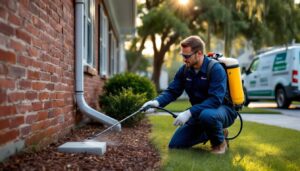
Fox handles both interior and exterior treatments. Exterior perimeter treatments create a barrier around the foundation, windows, doors, and eaves using residual insecticides that remain effective for weeks. This is the first line of defense against ants, spiders, and crawling insects.
Interior treatments target active infestations: baiting for ants and roaches, dusting wall voids for spiders, and setting snap traps or bait stations for rodents. Technicians inspect basements, crawl spaces, attics, and utility areas where pests hide.
Rodent control includes exclusion work, sealing entry points with steel wool, copper mesh, or caulk, so mice and rats can’t return after trapping. Fox also addresses wasp and hornet nests, typically using a dust or foam that kills the colony within 24 hours. They’ll remove accessible nests after treatment.
Seasonal treatments adjust to Logan’s pest calendar. Spring focuses on ant and wasp prevention. Summer targets spiders and box elder bugs. Fall emphasizes rodent exclusion before winter. Having a mobile pest control setup allows technicians to carry a full range of products and tools for on-the-spot adjustments.
Common Pest Problems in Logan, Utah
Cache Valley’s pest lineup varies by season but includes several repeat offenders. Carpenter ants are active spring through fall, nesting in damp or damaged wood. They don’t eat wood like termites, but they excavate galleries for nesting, weakening structural members. Look for piles of coarse sawdust near baseboards or window sills.
Box elder bugs swarm in late summer and fall, clustering on sunny exterior walls before seeking indoor shelter. They don’t bite or damage property, but they’re a nuisance in large numbers and emit a foul odor when crushed.
Spiders, including hobo spiders, wolf spiders, and cellar spiders, thrive in basements, garages, and crawl spaces. Hobo spiders have a reputation for aggression (debated among entomologists), but their bites can cause localized pain and slow-healing wounds. Most spider control involves removing webs, treating harborage areas, and reducing outdoor lighting that attracts prey insects.
Rodents (deer mice, house mice, voles) seek shelter indoors as temperatures drop. They nest in insulation, chew through plastic vapor barriers, and contaminate stored items with urine and droppings. Snap traps work for small infestations, but exclusion, sealing gaps around pipes, vents, and foundation cracks with 1/4-inch hardware cloth or copper mesh, is the only long-term solution.
Wasps and hornets build paper nests under eaves, in attics, or inside wall voids. Yellowjackets nest underground or in dense shrubs and become aggressive in late summer when colony populations peak. Removing nests without protective gear and proper insecticide is a recipe for stings. If a nest is inside a wall cavity, treatment may require drilling a small access hole to inject dust, then patching afterward. For comparison, many homeowners researching general pest control costs find that wasp removal often incurs an additional service fee due to the specialized equipment and risk involved.
What to Expect from Fox Pest Control Services
A typical Fox service visit starts with a thorough inspection. The technician walks the property’s perimeter, checks eaves and soffits, inspects the foundation for cracks, and examines doors and windows for gaps. Inside, they’ll check basements, utility rooms, and attics for signs of activity: droppings, gnaw marks, webs, or frass.
Based on findings, the technician explains the treatment plan. Exterior perimeter treatment is standard and involves applying a liquid or granular insecticide along the foundation, around window and door frames, under eaves, and along fence lines. Products used are typically synthetic pyrethroids (bifenthrin, lambda-cyhalothrin) that provide 60–90 days of residual control.
Interior treatment is targeted. Crack-and-crevice applications hit baseboards, behind appliances, and along plumbing penetrations. Dusts (like diatomaceous earth or silica gel) go into wall voids via outlet covers or small drilled holes. Baits are placed in tamper-resistant stations for ants and roaches.
For rodent issues, the technician sets snap traps or bait stations in active areas (droppings and gnaw marks indicate recent activity). Exclusion work seals entry points with materials rodents can’t chew through. Follow-up visits check traps and confirm the population is eliminated.
Wasp nest removal involves applying a fast-acting aerosol or dust to the nest entrance at dusk (when wasps are least active). The colony dies within 24 hours, and accessible nests are removed. Ground nests may be left in place if they pose no immediate threat, as the colony won’t reuse the site next year.
Treatments are safe for pets and kids once products dry (typically 30–60 minutes). Technicians flag treated areas and provide reentry instructions. Standard advice: keep pets and children away until surfaces are dry, and avoid mopping treated baseboards for a few days to preserve residual effectiveness.
Pricing and Service Plans for Logan Residents
Fox Pest Control’s pricing varies by service type, property size, and infestation severity. As of 2026, initial service visits for a standard single-family home in Logan typically range from $100 to $200. This includes interior and exterior treatment. Larger homes (over 3,000 sq ft) or properties with extensive pest activity may cost more.
Quarterly service plans (four visits per year) average $75 to $125 per visit after the initial treatment. This model is common for ongoing protection and aligns with Logan’s pest seasons. Fox doesn’t require a contract, so you can pause or cancel service without penalty.
Rodent control is often priced separately, especially if exclusion work is needed. Sealing entry points and setting traps can add $150 to $300 depending on the number of access points and the extent of damage. Wasp nest removal typically costs $75 to $150 per nest, with higher fees for nests inside wall voids or hard-to-reach locations.
Comparing these figures to regional averages, homeowners researching on HomeAdvisor will find that Cache Valley pricing is slightly below the national median for professional pest control, thanks in part to lower overhead and competitive local markets.
Fox also offers specialty treatments for bed bugs, fleas, and stored product pests (grain beetles, pantry moths). These require different protocols and are quoted separately. Always request a written estimate before treatment and ask whether follow-up visits are included in the quoted price. Most pest problems require at least two visits: the initial treatment and a follow-up 30 days later to catch any surviving eggs or newly emerged insects.
How to Choose the Right Pest Control Provider in Logan
Not all pest control companies operate the same way. Here’s what to evaluate when comparing options in Cache Valley:
Licensing and insurance. Utah requires pest control technicians to hold a state license issued by the Department of Agriculture and Food. Ask to see the technician’s license number and verify it’s current. The company should also carry liability insurance in case treatment damages property or causes injury.
Service guarantees. Look for a callback guarantee (like Fox’s 30-day policy) that covers retreatment if pests return between scheduled visits. Avoid companies that require you to sign a waiver releasing them from responsibility if the problem persists.
Treatment methods. Ask what products they use and how they’re applied. Reputable companies use EPA-registered pesticides and follow label instructions for mixing, application rates, and reentry intervals. Be wary of vague answers or companies that won’t disclose active ingredients. For families with young children or pets, inquire about low-toxicity options like insect growth regulators (IGRs) or botanical insecticides.
Inspection depth. A thorough inspection should take at least 30 minutes for an average home. If a technician quotes you over the phone without seeing the property, that’s a red flag. Effective treatment depends on identifying the pest species, locating nests or entry points, and understanding conducive conditions (moisture, clutter, landscaping issues).
Local knowledge. Logan’s pest profile differs from Salt Lake City’s or St. George’s. A company with local experience will know that voles are a problem in Cache Valley’s irrigated lawns or that box elder bugs swarm south-facing walls in fall. Ask how long they’ve served the area and whether technicians live nearby.
Contract terms. Avoid companies that lock you into multi-year contracts with hefty cancellation fees. Pay-as-you-go models offer flexibility, especially if you’re dealing with a one-time infestation rather than ongoing prevention. For homeowners interested in maintaining effective pest management year-round, quarterly plans usually offer the best balance of cost and coverage.
Customer reviews. Check Google, Yelp, and the Better Business Bureau for feedback on responsiveness, effectiveness, and professionalism. Look for patterns: multiple complaints about missed appointments or ineffective treatments are warning signs. Positive reviews on resources like Today’s Homeowner often highlight consistent communication and follow-through.
Finally, request quotes from at least three companies. Compare not just price, but what’s included: number of visits, types of treatments, guarantees, and exclusion work. The cheapest option isn’t always the best value if it only sprays baseboards without addressing entry points or nesting sites.