Table of Contents
ToggleHome appliances are the unsung heroes of modern living, making daily tasks easier and more efficient. From refrigerators that keep food fresh to washing machines that save time, these devices play a crucial role in every household. However, when they break down, it can disrupt routines and create stress.
Understanding the basics of home appliance repair not only saves money but also empowers homeowners to tackle minor issues without calling a professional. Whether it’s a leaky dishwasher or a malfunctioning dryer, knowing how to troubleshoot common problems can extend the lifespan of appliances and enhance their performance. With a little knowledge and the right tools, anyone can become their own repair expert.
Overview Of Home Appliance Repair
Home appliance repair encompasses the maintenance, troubleshooting, and fixing of devices like refrigerators, washing machines, and microwaves. This process involves identifying common problems and applying effective solutions to restore functionality.
Understanding components is crucial; each appliance consists of various parts, such as motors, belts, and sensors. For example, a washing machine may encounter issues with a faulty door latch or clogged drain, while refrigerators often face problems with thermostats or compressor failures.
Routine maintenance helps prevent future breakdowns. Regularly cleaning filters, checking seals, and inspecting hoses can extend the lifespan of devices. Recognizing when to call a professional is key; complex repairs, like electrical issues or major component failures, often require specialized skills and tools.
Being familiar with common signs of malfunction aids homeowners in acting promptly. Unusual noises, ineffective heating, or leaks signal that an appliance may need attention. Armed with information and basic repair tools, individuals can tackle minor repairs or know when to seek professional assistance.
Common Types Of Home Appliances
Home appliances fall into two main categories: major and small. Understanding these categories helps homeowners manage their maintenance and repairs effectively.
Major Appliances
Major appliances, also known as large home appliances, typically include essential units that enhance convenience in daily tasks. Common major appliances are:
- Refrigerators: Used for food storage and preservation, they maintain optimal temperatures to prevent spoilage.
- Washing Machines: Designed for cleaning clothes, they utilize water and detergent for efficient washing.
- Dryers: Employed for drying laundry, they use heat to remove moisture from fabrics.
- Ovens: Applicable in cooking, they come in variations such as conventional, convection, or microwave ovens.
- Dishwashers: Automated devices that clean dishes, utilizing water jets and detergents for thorough cleaning.
- Freezers: Units that store food at sub-zero temperatures, extending the shelf life of various items.
These appliances generally require significant energy for operation and serve critical roles in households.
Small Appliances
Small appliances are portable and designed for specific tasks, making them versatile additions to home settings. Typical small appliances include:
- Microwaves: Used for quick heating and cooking of food, they excel in convenience and speed.
- Toasters: Primarily for browning slices of bread, they also offer bagel and frozen settings.
- Blenders: Employed for mixing, blending, and pureeing ingredients, useful in preparing smoothies or soups.
- Coffee Makers: Designed for brewing coffee, they vary in complexity from simple drip models to advanced espresso machines.
- Rice Cookers: Specialized for cooking rice, they automate the process for consistent results.
- Vacuum Cleaners: Utilized for cleaning various surfaces, they employ suction to remove dirt and debris.
Understanding the distinctions between major and small appliances aids in prioritizing repair tasks and maintaining optimal functionality in households.
Signs Your Appliance Needs Repair
Homeowners should recognize the signs that indicate when an appliance requires repair. Early identification of these issues can prevent further damage and costly replacements.
Unusual Noises
Unusual noises, such as grinding, banging, or hissing, often signal problems. Appliances typically operate quietly, so any deviation from normal sounds warrants attention. For example, a refrigerator making rattling sounds may indicate loose components, while a washing machine that emits a grinding noise might have worn-out bearings. Addressing these noises promptly can prevent further mechanical failure.
Decreased Efficiency
Decreased efficiency manifests as longer operating times or increased energy consumption. For instance, if a refrigerator fails to maintain consistent temperatures, food may spoil more rapidly, indicating a malfunctioning thermostat. Similarly, a washing machine that takes longer to complete cycles may have blocked hoses or a failing pump. Monitoring energy bills can also reveal inefficiencies; a significant increase could point to an appliance needing repair. Identifying these issues early can enhance appliance performance and save money on utility bills.
DIY Home Appliance Repairs
Homeowners can often tackle minor appliance issues through DIY repairs. Understanding when to take on these repairs promotes efficiency and saves costs.
When To Attempt DIY Repairs
Homeowners should consider undertaking DIY repairs when issues are minor and manageable. Signs include simple malfunctions like a refrigerator not cooling or a washing machine failing to spin. Assessing the situation is crucial: if troubleshooting steps are straightforward and a solution seems clear, DIY may be appropriate. Complex problems involving electronics or internal components often warrant professional help. If an appliance is under warranty, attempting repairs may void coverage. Also, if safety risks such as electrical issues are present, it’s best to consult a professional.
Tools You Will Need
Proper tools make DIY appliance repairs easier and more effective. Common tools include:
- Screwdrivers: Flathead and Phillips screwdrivers for opening panels and securing components.
- Pliers: Needle-nose and standard pliers for gripping small parts and wires.
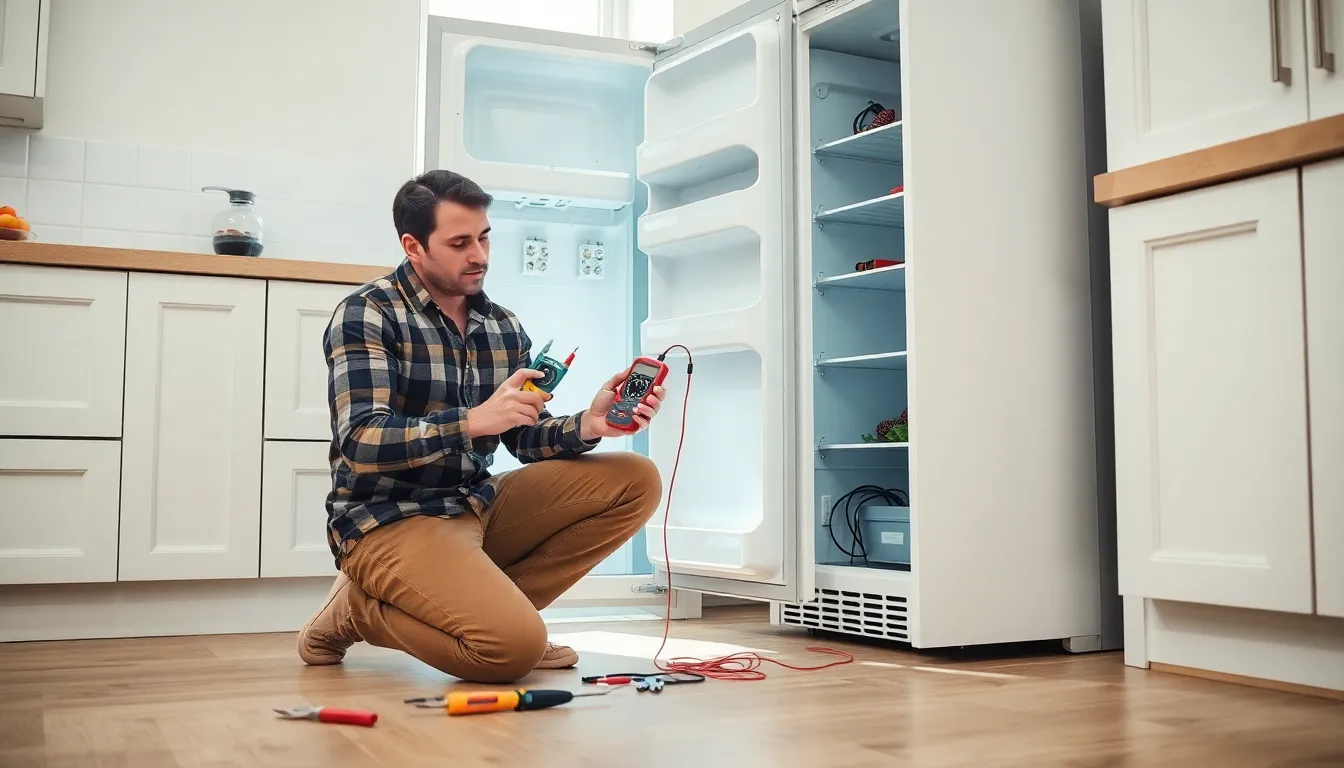
- Multimeter: For testing electrical connections and voltage levels, ensuring accurate troubleshooting.
- Wrench set: Essential for loosening or tightening nuts and bolts on major appliances.
- Utility knife: Handy for cutting insulation, tape, or other materials.
- Flashlight: Useful for illuminating dark spaces inside appliances during repairs.
Having these tools on hand allows homeowners to confidently address minor issues and maintain their appliances effectively.
Professional Home Appliance Repair Services
Professional repair services play a crucial role in restoring home appliances to optimal functionality. Understanding how to select a qualified service and what to expect during the repair process ensures a seamless experience.
How To Choose A Repair Service
Choosing a repair service requires careful consideration. Look for the following:
- Certifications: Verify that technicians hold relevant certifications and qualifications.
- Experience: Select services with a track record of successful repairs on various appliances.
- Reviews: Read customer reviews to gauge satisfaction and reliability.
- Warranty: Ensure the service provides warranties on repairs, indicating confidence in their work.
- Pricing: Obtain estimates from multiple services and inquire about any hidden fees.
- Availability: Check the service’s availability, especially for urgent repairs, to ensure timely assistance.
What To Expect From A Professional Repair
- Initial Assessment: Technicians conduct a thorough evaluation of the appliance to identify issues.
- Cost Estimate: They provide a detailed estimate before proceeding with repairs, ensuring transparency.
- Repair Process: Expect technicians to explain the repair steps and parts involved while ensuring safety measures are followed.
- Timeframe: Professionals typically offer a timeline for repairs based on the complexity of the issue and availability of parts.
- Post-Repair Testing: After repairs, technicians test the appliance to confirm proper functionality.
- Advice for Maintenance: Expect recommendations on routine maintenance and care to prolong the appliance’s lifespan.
Home appliance repair is an essential skill that empowers homeowners to maintain their devices and enhance their efficiency. By recognizing common issues and understanding when to seek professional help, individuals can avoid costly replacements and ensure their appliances run smoothly.
Investing time in learning basic repair techniques not only saves money but also fosters a sense of independence. With the right tools and knowledge, tackling minor repairs becomes manageable.
Ultimately, a proactive approach to appliance maintenance can lead to improved performance and longevity, making everyday life more convenient and enjoyable. Homeowners are encouraged to stay informed and take charge of their appliance care for a more efficient household.