Owning a log home is like hanging out in a Pinterest board that came to life, but it comes with its own unique set of responsibilities. Picture this: cozy nights by the fire, wildlife just outside your window, and the scent of cedar wafting through the air. Sounds dreamy, right? But, just like any other slice of paradise, log homes need regular TLC to keep that dream from turning into a nightmare. From maintaining the rustic charm to preventing pesky pests from making themselves at home, log home maintenance is crucial. So, let’s jump into why it matters and how to keep your woodsy retreat in top notch shape.
Importance Of Regular Log Home Maintenance
Regular maintenance of a log home is essential for several reasons. First off, it ensures the longevity of the property: after all, a well-cared-for log home can last for generations. Secondly, it helps maintain the home’s beauty, ensuring that each log retains its character without overdue weathering or wear and tear. Homes made from logs, particularly if they’re not treated properly, can suffer from decay, pest infestations, and other damage that can be quite costly to fix.
Also, proper maintenance enhances energy efficiency. Sealing gaps and checking insulation can help keep heating and cooling costs down. Maintaining the integrity of the logs also minimizes the risk of mold and mildew, which can pose health hazards. Simply put, a stitch in time saves nine. The importance of regular log home maintenance cannot be overstated: think of it as preventative care for one of your most significant investments.
Common Issues In Log Homes
Log homes are beautiful but come with their own set of challenges. One of the most common issues is water damage, which can lead to rot if not addressed promptly. Improper drainage around the home often contributes to this problem, making regular checks of the foundation and gutters essential.
Another widespread concern is insect activity. Woodpeckers, termites, and carpenter ants love to make a feast out of unprotected logs. If there’s even a small crack, it can open the door for these unwelcome guests. Not to forget the risk of algae and mildew, which thrive in the moisture pockets of untreated logs, compromising both aesthetics and health.
Finally, UV damage from the sun can lead to discoloration and cracking. The elements can wear down even the sturdiest structure, so keeping a vigilant eye on these issues should be high on a homeowner’s to-do list.
Finding Local Log Home Maintenance Services
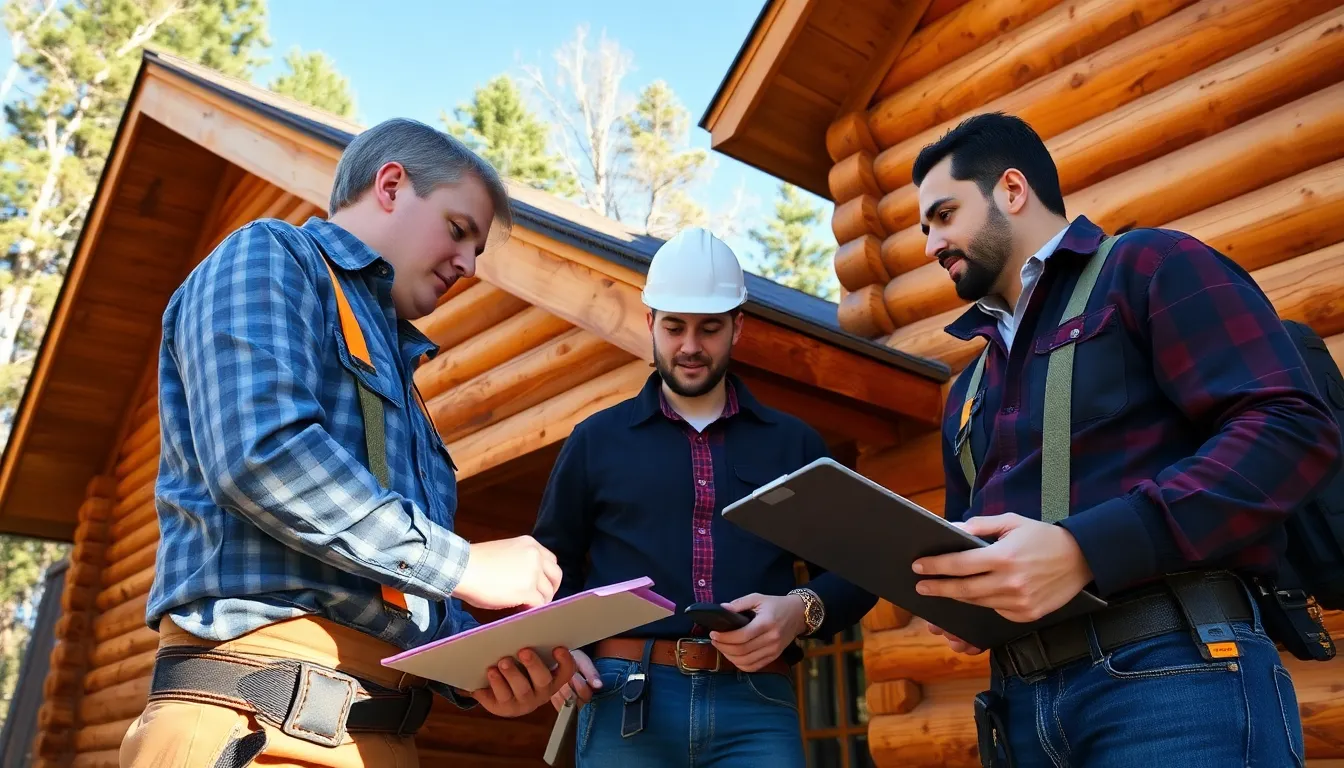
When the time comes to seek professional help, finding local log home maintenance services can feel like searching for a needle in a haystack. Fortunately, today’s tech-savvy homeowners have plenty of resources at their fingertips. Online directories and review sites can provide insight into reputable contractors. Ensure to check for specific experience with log homes: after all, not all contractors share the same expertise.
Word-of-mouth referrals can be invaluable. Asking neighbors or local log home associations about their go-to service can lead to trusted recommendations. Don’t forget to look for certifications and training specific to log home care, these certifications indicate that the contractor knows what they’re doing.
Also, make sure to get multiple quotes. It’s wise to compare prices and services, as this can save both parts of the budget while ensuring quality.
DIY Maintenance Tips For Log Homes
Maintaining a log home doesn’t always require a professional. There are plenty of DIY maintenance tasks that can be done by the homeowner. First and foremost, periodic inspections are essential. Each season, take a walk around the property, checking for any signs of damage, settling, or insect activity.
Regular cleaning is another task homeowners can tackle on their own. Using a gentle mixture of water and mild soap will rejuvenate the logs without eroding protective finishes. Pressure washing can be helpful, but it’s crucial to use it sparingly: excessive force can cause more harm than good.
Also, re-staining the exterior can restore beauty and protection. Homeowners should visit their local home improvement store to find the right products recommended specifically for log homes. Applying a fresh coat of sealant or stain can work wonders, keeping those logs happy and healthy. Ensuring proper ventilation inside the home prevents moisture build-up, which is key for preventing decay.
Choosing The Right Products For Log Home Care
Selecting suitable products for log home maintenance may seem daunting, but it’s not rocket science. Homeowners should look for wood preservatives that are specifically formulated for log homes. These are designed to penetrate deeply and protect against rot and insect damage.
Consider using finishes that offer UV protection to prevent discoloration from sunlight. Stains with mildewcides and pesticides can protect against mold and bugs, ensuring longevity. When shopping for cleaners, opt for eco-friendly options that won’t harm the environment or interior furnishings.
Remember that each log home is unique. Factors like local climate, wood type, and exposure to elements can affect which products work best. Always read labels carefully, and don’t hesitate to ask local retailers for recommendations tailored to specific needs.
Cost Considerations For Log Home Maintenance
Cost is, without a doubt, a significant consideration when it comes to log home maintenance. Depending on the size and condition, homeowners can expect to invest anywhere from a few hundred to several thousand dollars each year. Regular inspections and preventative maintenance can reduce long-term costs by catching issues before they escalate.
Budgeting for professional help is smart, especially if it involves significant repairs or restoration. Always allocate funds for maintenance tasks like staining and sealing logs, which can be a few hundred dollars depending on the size of the home.
Also, consider the cost of products needed for DIY maintenance. Well-chosen, quality maintenance products can help in reducing repair frequency, eventually saving money in the long run. Weigh the costs against the benefits of preserving this treasured investment.
When To Call A Professional
Knowing when to call in the pros can save time, money, and heartache. If a homeowner notices extensive water damage or rot that looks beyond simple repairs, it’s definitely time to get a professional involved. Pest infestations that aren’t easily managed through DIY means also warrant expert assistance.
If log settling creates serious gaps or issues with the integrity of the home, a structural engineer should be consulted. For larger projects, like re-staining or extensive restoration, hiring trained professionals is ideal for achieving the best results.
Finally, if there isn’t enough time in the day to get through maintenance tasks, hiring help can ensure every nook and cranny is cared for while the homeowner enjoys their cozy retreat.