Table of Contents
ToggleMilwaukee homeowners face a rotating cast of pests year-round, from basement-loving mice to attic-nesting wasps. The city’s humid summers and freezing winters drive bugs and rodents indoors, making pest control less of a seasonal chore and more of an ongoing maintenance task. This guide cuts through the noise to give you actionable steps for managing common Milwaukee pests, knowing when DIY methods hold up, and recognizing when it’s time to bring in a pro.
Key Takeaways
- Milwaukee pest control requires year-round attention due to the city’s humid summers and freezing winters, which drive rodents and insects indoors as a maintenance task rather than seasonal chore.
- DIY methods like snap traps for rodents, liquid ant baits for carpenter ants, and perimeter spraying with synthetic pyrethroids work effectively when applied early and consistently across multiple treatment points.
- Sealing foundation cracks, managing moisture in basements, eliminating food sources, and trimming vegetation are critical preventative measures that stop pests before they enter your Milwaukee home.
- Call a professional Milwaukee pest control service for active wall infestations, carpenter ant colonies, German cockroaches, bed bugs, large wasp nests, or if DIY methods fail after 3-4 weeks.
- Wisconsin-licensed pest control operators (Category 7A or 7B) provide access to restricted-use products and inspection tools homeowners can’t obtain, with typical costs ranging from $100-300 for one-time treatments or $300-600 annually for quarterly contracts.
Common Pests Invading Milwaukee Homes
Milwaukee’s climate creates ideal conditions for several pest species. Understanding what you’re dealing with helps you choose the right control strategy.
Rodents (Mice and Rats): House mice and Norway rats are year-round problems, especially in older homes with foundation cracks or gaps around utility penetrations. Mice can squeeze through openings as small as ¼ inch, about the diameter of a pencil. They’re drawn to food sources, nesting material, and warm spaces.
Carpenter Ants: These large black ants don’t eat wood like termites, but they excavate it to build nests. They’re most active in spring and summer, often entering through tree branches touching rooflines or utility lines. Sawdust-like frass near baseboards or windowsills signals an active infestation.
Box Elder Bugs: Harmless but annoying, these red-and-black bugs congregate on south-facing walls in fall, seeking warm overwintering sites. They don’t bite or cause structural damage, but they can stain fabrics and walls.
German Cockroaches: More common in multi-family buildings, these small, tan roaches breed rapidly and hide in warm, moist areas, dishwashers, behind refrigerators, and inside cabinets. A single egg case can hold 30-40 nymphs.
Wasps and Yellow Jackets: Paper wasps build umbrella-shaped nests under eaves and deck railings. Yellow jackets nest in ground cavities or wall voids and become aggressive in late summer when colony populations peak. Dealing with wasp infestations requires careful timing and protective gear.
Seasonal Pest Patterns in Milwaukee
Milwaukee’s pest activity follows predictable seasonal rhythms. Spring (March-May) brings carpenter ants, emerging from winter dormancy to forage and establish satellite colonies. Overwintering box elder bugs also become active, moving from wall voids to windows as temperatures rise.
Summer (June-August) is prime time for wasps, mosquitoes, and outdoor ants. High humidity and frequent rain create standing water that mosquitoes need for breeding. Wasp colonies reach maximum size by August, making them more defensive around nests.
Fall (September-November) triggers rodent invasions as outdoor food sources dwindle. Mice seek entry points around foundation walls, garage doors, and where utilities penetrate siding. Box elder bugs and Asian lady beetles also cluster on warm exterior walls, looking for cracks to overwinter inside.
Winter (December-February) sees most pests in dormancy or reduced activity, except rodents, which remain active indoors year-round if they’ve gained entry.
DIY Pest Control Methods That Work in Milwaukee
Many Milwaukee pest problems respond well to DIY approaches if caught early. Here’s what actually works.
Rodent Trapping: Snap traps remain the gold standard for mice. Use multiple traps (at least 6-10 for an average home) placed perpendicular to walls, with the trigger end facing the baseboard. Bait with peanut butter or sunflower seeds. Check traps daily and dispose of dead mice wearing gloves. For rats, upgrade to larger snap traps or multi-catch live traps.
Avoid glue traps, they’re inhumane and mice can drag them into wall cavities. Poison baits (rodenticides) pose secondary poisoning risks to pets and wildlife and often result in rodents dying inside walls, creating odor problems.
Ant Baiting: Liquid ant baits containing borax or fipronil work well for carpenter ants and other species. Place bait stations along ant trails, near entry points, and in areas where you’ve seen activity. Worker ants carry the bait back to the colony, poisoning the queen and brood. This takes 1-2 weeks, so don’t spray ants you see, you’ll disrupt the baiting process.
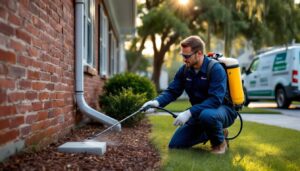
Perimeter Spraying: A barrier treatment using permethrin or bifenthrin (synthetic pyrethroids) around your foundation can prevent crawling insects from entering. Mix concentrate according to label directions, typically 1-2 oz per gallon of water, and spray a 3-foot band up the foundation and 3 feet out onto the ground. Reapply every 60-90 days during active pest season. Wear gloves, goggles, and long sleeves.
Wasp Nest Removal: For small, accessible nests (softball-sized or smaller), spray at dusk when wasps are less active. Use a wasp freeze spray with a 15-20 foot stream, then wait 24 hours before removing the nest. Wear long sleeves, pants, gloves, and a hat. Never attempt to remove ground nests or large aerial nests yourself.
Box Elder Bug Control: Vacuum up indoor bugs and seal cracks around windows and siding. Outside, spray congregating bugs with insecticidal soap or a dish soap solution (2 tablespoons per gallon of water). This is purely cosmetic, box elders don’t damage homes.
Proper DIY pest control methods require patience and consistency. Most homeowners underestimate how many application points or traps they need for effective control.
Preventative Measures for Year-Round Protection
Prevention beats treatment every time. Milwaukee homes need seasonal maintenance to stay pest-resistant.
Seal Entry Points: Walk your home’s perimeter in spring and fall, looking for gaps around:
- Foundation walls: Fill cracks wider than ⅛ inch with hydraulic cement or polyurethane caulk
- Utility penetrations: Seal around pipes, cables, and wires with copper mesh and expanding foam
- Door sweeps: Install rubber sweeps leaving no gap larger than ¼ inch
- Weep holes: Insert vent screens in brick veneer weep holes, don’t plug them solid or moisture will build up
- Roof-to-wall junctions: Check soffit vents, gable vents, and ridge vents for torn screens
Manage Moisture: Most pests need water. Address these common Milwaukee problem areas:
- Grade soil away from foundations (minimum 6 inches of drop over 10 feet)
- Clean gutters twice yearly and extend downspouts 4-6 feet from the house
- Fix leaking exterior faucets and hose bibs before winter
- Run dehumidifiers in basements to keep humidity below 50%
- Repair leaking pipes under sinks and around water heaters
Eliminate Food Sources:
- Store pantry goods in airtight containers (glass or heavy plastic)
- Clean up pet food immediately after feeding, don’t leave bowls out overnight
- Take garbage out nightly if you’ve had rodent or roach issues
- Remove bird feeders if you’re fighting rodents, spilled seed attracts them
- Keep compost bins at least 20 feet from the house in rodent-proof containers
Landscape Management:
- Trim tree branches back 6-8 feet from rooflines and siding
- Keep mulch, firewood, and lumber piles at least 18 inches from foundations
- Mow tall grass and weeds within 10 feet of the house
- Remove ivy and climbing vines from siding, they create pest highways
Attic and Crawlspace Maintenance: Many attic pest problems start with inadequate screening or damaged insulation that provides nesting material. Inspect these spaces semi-annually with a flashlight, looking for droppings, nesting debris, or chewed materials.
These tasks sound tedious, but each one closes a door that pests rely on. Think of it as weatherproofing with pest control as a bonus.
When to Call a Professional Pest Control Service
Some pest problems exceed DIY capabilities. Here’s when to pick up the phone.
Active Infestations in Walls or Structural Voids: If you hear scratching in walls, see staining on ceilings, or find large amounts of frass (insect droppings), the problem’s likely inside your home’s structure. Professionals have inspection tools (thermal cameras, borescopes) and access to restricted-use pesticides that homeowners can’t buy.
Carpenter Ant Colonies: While you can bait foraging workers, eliminating the parent colony often requires drilling and injecting dust insecticides into wall voids or treating exterior wood piles. This requires identifying satellite nests versus the main colony, something most homeowners misjudge.
German Cockroach Infestations: These roaches require aggressive treatment with insect growth regulators (IGRs), bait rotations, and crack-and-crevice treatments that DIY products can’t match. A single missed egg case resets your progress.
Bed Bugs: Don’t even try DIY for bed bugs. Effective treatment requires heat chambers, specialized steamers, or pro-grade residual insecticides applied in precise patterns. Many pest control professionals in Milwaukee offer free inspections if you’re unsure.
Large Wasp or Hornet Nests: Anything bigger than a softball, located high up, or in a wall void requires professional removal. The risk of stings during DIY removal isn’t worth it. Pros have protective equipment and tools for reaching difficult locations safely.
Recurring Problems: If you’ve tried DIY methods for 3-4 weeks without improvement, you’re either missing the source or dealing with a population too large to control with consumer products. Professionals can identify harborage areas and conducive conditions you’ve overlooked.
Pre-Purchase Inspections: If you’re buying a Milwaukee home, pay for a pest inspection along with your home inspection. Evidence of termites (rare but possible in southern Wisconsin), carpenter ants, or rodent damage affects your negotiating position. Termite damage isn’t typically covered by homeowner’s insurance.
Safety Concerns: If you have young children, pets, or respiratory issues, professional treatments often use lower-toxicity products applied in targeted ways that minimize exposure. Comparing pest control rates helps budget for recurring service contracts.
Choosing the Right Pest Control Solution for Your Milwaukee Home
Selecting between DIY and professional service, or a combination, depends on your situation, skill level, and the pest you’re facing.
Assess the Scope: A few mice in fall? DIY trapping works. Twenty mice over two months even though trapping efforts? You’ve got entry points you haven’t found or a population breeding in your walls. That calls for professional exclusion work.
Consider Your Comfort Level: Some people don’t mind handling traps and mixing pesticides. Others want pests gone without touching them. Neither approach is wrong, choose what you’ll actually follow through on consistently.
Evaluate Recurring Costs: DIY often costs less upfront but requires your time and repeat purchases. Professional service runs $100-300 for a typical one-time treatment or $300-600 annually for quarterly service contracts in the Milwaukee area, depending on home size and pest pressure. Those figures fluctuate with labor costs and material prices, so get current quotes. Homeowners comparing options can request multiple estimates to find competitive pricing.
Hybrid Approach: Many Milwaukee homeowners use pros for initial heavy infestations or hard-to-reach treatments, then maintain control themselves with monitoring and targeted applications. This splits the workload and keeps costs reasonable.
Look for Licensed Operators: Wisconsin requires commercial pesticide applicators to hold a Category 7A or 7B license issued by the Department of Agriculture, Trade and Consumer Protection (DATCP). Ask to see credentials before signing contracts.
Understand Treatment Plans: Reputable companies explain what products they’re using, where they’re applying them, and what prep work you need to do. They should provide Material Safety Data Sheets (SDS) on request and give re-entry times after treatment.
Check Service Guarantees: Most pros offer 30-90 day warranties on treatments. If pests return during that window, they’ll retreat at no charge. Get this in writing.
Investing in the right pest control equipment for ongoing monitoring, moisture meters for detecting leaks, quality flashlights for inspections, and proper safety gear, makes DIY maintenance more effective over time.
Conclusion
Milwaukee’s pest challenges aren’t going anywhere, but consistent prevention and timely intervention keep infestations manageable. Seal your home’s envelope in spring and fall, monitor high-risk areas quarterly, and don’t let small problems snowball. Whether you’re running traps in the basement or scheduling a pro for that wasp nest under the deck, staying ahead of pests beats playing catch-up every time.