Table of Contents
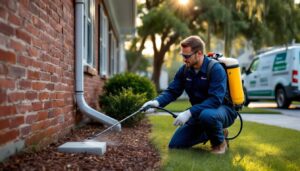
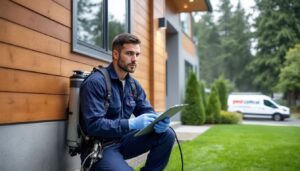
TogglePest control is essential for maintaining a healthy and safe environment, whether at home or in commercial spaces. With the increasing prevalence of pests, investing in the right pest control equipment has never been more critical. From traps to sprays, the market offers a variety of tools designed to tackle infestations effectively.
Understanding the different types of pest control equipment can empower individuals and professionals alike to choose the most effective solutions. This article explores the must-have tools that can help combat unwanted pests, ensuring peace of mind and a pest-free space. Whether you’re a DIY enthusiast or a seasoned pest control expert, the right equipment can make all the difference in achieving successful results.
Overview of Pest Control Equipment
Pest control equipment is essential for effectively managing infestations and promoting a healthy environment. Various categories of tools and products are available, each designed to address specific pest issues.
Traps
Traps utilize mechanisms to capture pests. Different types include:
- Snap traps: Immediate kill for rodents.
- Glue traps: Ideal for insects and small pests.
- Live traps: Capture animals for humane release.
Sprays
Sprays deliver pesticides or insecticides to target pests. Key options consist of:
- Aerosol sprays: Quick and convenient application.
- Liquid concentrates: Dilution required, suitable for larger areas.
- Natural sprays: Derived from botanical ingredients, safer for the environment.
Baits
Baits attract and poison pests. Common forms include:
- Gel baits: Effective against ants and cockroaches.
- Granular baits: Suitable for outdoor use against various insects.
- Station baits: Contain poison in an enclosed container, safe for pets.
Foggers
Foggers disperse insecticides in a fine mist, targeting multiple pests simultaneously. Types include:
- Total release foggers: Release all contents at once, ideal for enclosed spaces.
- Handheld foggers: Allow for precise applications in difficult-to-reach areas.
Safety Gear
Protective gear is critical during pest control activities. Essential items are:
- Gloves: Prevents direct contact with chemicals.
- Masks: Protects respiratory system from harmful fumes.
- Goggles: Shields eyes from splashes and irritants.
Effective pest control demands the right equipment tailored to specific needs. Understanding these tools enhances the ability to tackle pest problems efficiently.
Types of Pest Control Equipment
Pest control equipment includes various tools that effectively manage different types of infestations. The following sections outline the main categories of equipment, enhancing comprehension of their specific uses.
Traps and Baits
Traps and baits target specific pests, providing efficient solutions for infestations.
- Snap traps catch rodents quickly, making them ideal for immediate elimination.
- Glue traps capture insects by adhering them to a sticky surface, effective in indoor settings.
- Live traps capture pests without harming them, allowing for humane relocation.
- Gel baits attract and eliminate insects, particularly cockroaches and ants, offering a targeted approach.
- Granular baits spread over areas where pests are active, luring and killing pests like ants or cockroaches.
- Bait stations securely house baits, preventing access to non-target animals while delivering effective pest control.
Sprayers and Foggers
Sprayers and foggers disperse chemicals to treat larger areas or specific locations.
- Aerosol sprayers deliver quick applications for immediate pest control, suitable for spot treatments in homes.
- Liquid concentrate sprayers require dilution with water and cover extensive areas, ideal for large outdoor spaces or commercial properties.
- Foggers produce a fine mist of insecticide, reaching hidden areas where pests may reside, ensuring comprehensive coverage.
Protective Gear
Protective gear offers essential safety during pest control activities.
- Gloves protect hands from chemicals and potential allergens while handling pesticides.
- Masks filter airborne particles and chemicals, safeguarding respiratory health.
- Goggles shield eyes from pesticide splashes, ensuring visibility and protection during application.
Choosing the Right Pest Control Equipment
Selecting the appropriate pest control equipment hinges on understanding the specific needs of the pest issue. This process involves assessing pest types and measuring effectiveness for optimal results.
Assessing Pest Types
Identifying pest types is crucial for choosing suitable equipment. Common pests include rodents, insects, and occasional invaders. Each pest requires tailored tools, ensuring targeted action.
- Rodents: Use snap traps for quick kills or live traps for humane capture.
- Insects: Consider glue traps for crawling pests, while aerosol sprays fit flying insects.
- Occasional Invaders: Baits and foggers work well for sporadic issues like spiders and ants.
Recognizing specific pest behaviors and habitats aids in selecting the right equipment. For example, understanding whether a pest nests indoors or outdoors influences the choice of traps or sprays.
Measuring Effectiveness
Evaluating the effectiveness of pest control equipment ensures that chosen methods yield the desired outcomes. Key performance indicators include:
- Reduction of Visible Pests: Monitor pest numbers before and after treatment.
- Longevity of Equipment: Assess how long traps and baits remain effective.
- User Safety: Ensure that equipment does not pose risks during application.
Testing various products and methods enhances confidence in strategies. Continuous monitoring allows for timely adjustments, maximizing pest control success. Engaging in thorough research and reading product reviews can also inform selections, leading to more effective pest management solutions.
Maintenance and Safety Tips
Proper maintenance and safety are crucial for effective pest control equipment usage. Following these tips ensures both optimal performance and user protection.
Equipment Maintenance
- Clean Equipment Regularly: Cleaning traps, sprayers, and foggers prevents residue buildup, which can affect functionality. Remove remains of pests and any chemical residues after each use.
- Inspect for Damage: Regularly examine equipment for wear or damage. Look for cracks in traps, leaks in sprayers, and corrosion in foggers. Promptly replace defective items to maintain safety and effectiveness.
- Store Properly: Store equipment in a cool, dry place to prevent rust and degradation. Keep bait and chemicals in their original containers, sealed tightly, away from direct sunlight and moisture.
- Replace Consumables: Change out baits, pads, and other consumables frequently. Using fresh products ensures higher effectiveness against pests.
Safety Precautions
- Wear Protective Gear: Always use gloves, masks, and goggles when handling pest control equipment and chemicals. This minimizes exposure to harmful substances and allergens.
- Follow Instructions: Adhere strictly to manufacturer instructions regarding the use and storage of pest control equipment. This helps avoid accidents and ensures proper application techniques.
- Keep Area Ventilated: Ensure adequate ventilation when applying chemical sprays or using foggers. Open windows and doors to allow fresh air circulation, reducing inhalation risks.
- Keep Equipment Away from Children and Pets: Store pest control equipment and chemicals out of reach of children and pets. This prevents accidental exposure and ingestion.
By implementing these maintenance and safety tips, users can enhance the effectiveness of their pest control efforts while ensuring a safe environment for themselves and others.
Effective pest control relies heavily on the right equipment and practices. By understanding the various tools available and how to use them properly, individuals can tackle pest issues more efficiently. Regular maintenance and adherence to safety guidelines further enhance the effectiveness of these tools.
With the right knowledge and equipment, anyone can create a pest-free environment, whether at home or in a commercial setting. Investing time in selecting and maintaining pest control equipment pays off in the long run, leading to a healthier and more comfortable space.