Picture this: you’re sitting on your couch, enjoying a cozy evening, when, surprise., a rogue cockroach makes an unwelcome cameo. Can you imagine the horror? Don’t worry, you’re not alone. Every homeowner dreads those unexpected visits from creepy crawlies. That’s where prime pest control comes into play. This article will explore various aspects of pest control, because a pest-free environment is key to keeping your sanity intact. Get ready to jump into the world of pests, their prevention, and how to choose the right service provider.
Understanding Pest Control
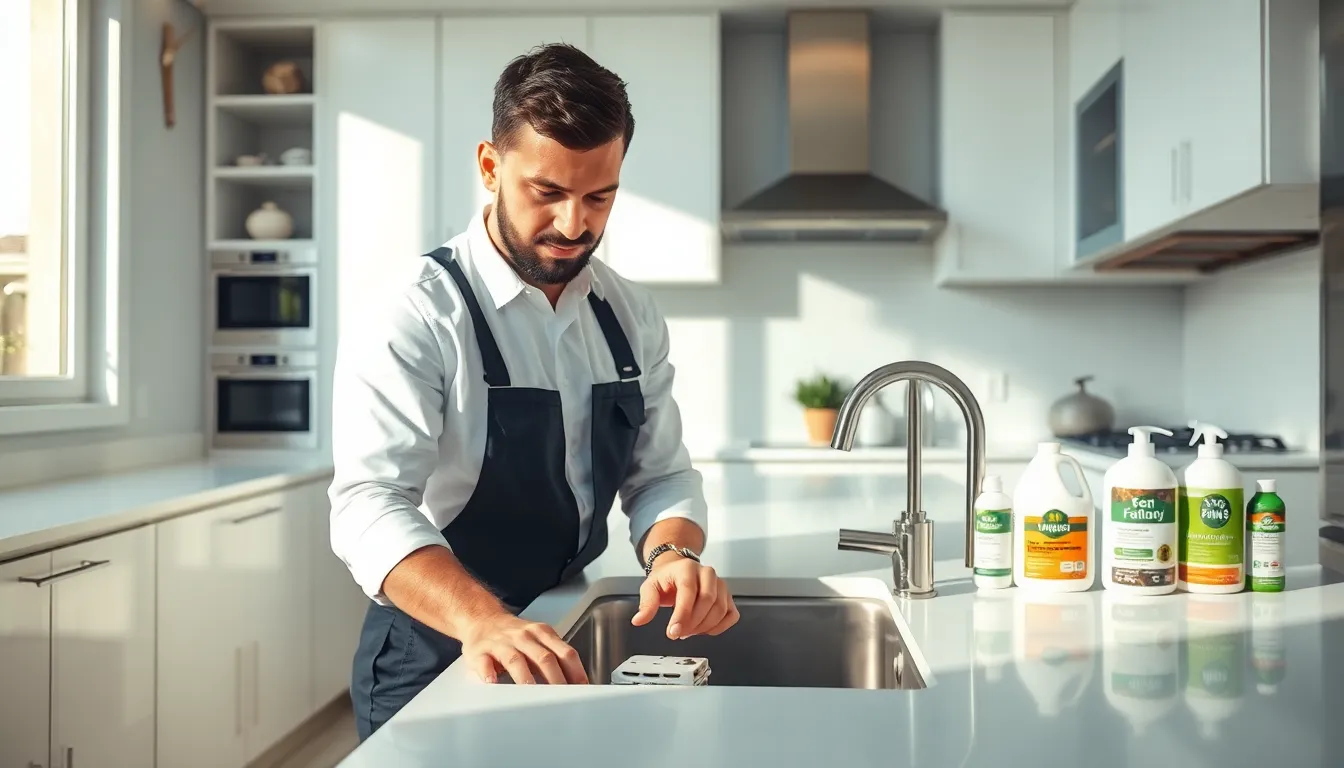
Pest control isn’t just about swatting flies or evicting ants from your kitchen: it’s a comprehensive approach designed to minimize pesky infestations. Understanding the fundamentals of pest control is crucial for anyone looking to maintain a healthy home environment. Essentially, it involves the management and regulation of pests that can cause harm to people, property, and even your precious plants.
Most pest control methods fall into three categories: physical, chemical, and biological. Physical methods include traps, exclusion techniques, and sanitation efforts, while chemical pest control involves pesticides and insecticides. For those more eco-conscious, biological control harnesses natural predators to manage pest populations. Understanding these methods equips homeowners with the knowledge to combat pests effectively.
Types of Common Pests
Let’s explore some of the most common nuisances that might be harassing your peaceful abode:
Insects
Insects like ants, termites, roaches, and flies are not just annoying: they can cause significant structural damage and health risks.
Rodents
Mice and rats are notorious for scavenging food and carrying diseases. No one wants a furry friend scuttling around their pantry.
Bed Bugs
These tiny vampires are renowned for their stealthy habits, feeding on unsuspecting sleepers. Their bites can lead to serious discomfort and restless nights.
Spiders
While they help control other pests, many homeowners squirm at the sight of them. Dangerous species are often a resident’s worst fear, adding urgency to pest control measures.
The Importance of Pest Control
It’s easy to overlook pest control until it’s too late. Ignoring infestations can lead to a variety of headaches, literally and figuratively. For starters, pests can compromise your home’s structure. Termites alone cause billions in damage every year. Also, pests pose health risks: diseases carried by rodents can spread quickly, and insects like mosquitoes can transmit serious illnesses.
Also, effective pest control protects your family. Nobody wants to share space with bed bugs or roaches, which can trigger allergies and asthma. By proactively managing pest populations, homeowners can ensure a safe, comfortable living environment.
Methods of Pest Control
When tackling pest problems, various methods can be employed. Here’s a brief overview to help you better understand your options:
Chemical Control
This method uses pesticides to eliminate unwanted pests. While effective, it’s crucial to choose the right type and apply it safely, as chemicals can pose risks to pets and humans if misused.
Mechanical Control
Traps and physical barriers are prevalent in this category. The simple act of sealing cracks and using traps can significantly reduce pest populations without the use of chemicals.
Cultural Control
This method involves changing everyday practices to deter pests. For instance, proper food storage and regular sanitation can make your home less appealing to pests.
Choosing the Right Pest Control Service
Selecting the right pest control service is vital for effectively managing infestations. Here are some tips to guide your decision:
- Research and Reviews: Don’t just pick a name out of a hat. Look for service providers with positive customer reviews and satisfaction ratings.
- Experience Matters: Experienced professionals will be more knowledgeable about local pest pressures and effective solutions.
- Certification and Insurance: Ensure the company is licensed and insured. This not only protects you but also assures quality service.
- Customized Plans: A reputable provider will offer tailored plans to address specific pest issues in your home.
DIY Pest Control Tips
For those looking to tackle minor infestations themselves, here are some handy tips:
Traps and Baits
Set up bait stations to attract and eliminate pests: choose the locations wisely to maximize effectiveness.
Natural Remedies
Diatomaceous earth and essential oils can serve as natural repellents. Not only are they safer for the environment, but they also minimize exposure to harsh chemicals.
Good Habits
Regular cleaning and decluttering can dramatically decrease pest attractiveness. Seal any entry points, dispose of food waste properly, and keep high-risk areas (like kitchens) clean.