Table of Contents
ToggleCrawl spaces often get overlooked, but they play a crucial role in a home’s overall health. These hidden areas can become a breeding ground for mold, pests, and other issues if not properly maintained. Regular crawl space cleaning not only improves air quality but also protects the structural integrity of the home.
Homeowners might not realize that a clean crawl space can lead to energy savings and increased property value. By addressing moisture issues and removing debris, they can create a healthier living environment. Understanding the importance of crawl space cleaning is the first step toward ensuring a safe and comfortable home.
Overview of Crawl Space Cleaning
Crawl space cleaning plays a crucial role in maintaining the integrity of a home. This process addresses various issues that can arise in these confined areas, ultimately leading to a healthier living environment.
Importance of Crawl Space Maintenance
Crawl space maintenance safeguards the home’s foundation and enhances air quality. Proper upkeep prevents moisture buildup, which contributes to mold growth and pest infestations. Regular cleaning also reduces energy costs by improving insulation and creates a more comfortable atmosphere throughout the home. Furthermore, well-maintained crawl spaces can increase property value, making this task a wise investment for homeowners.
Common Issues in Crawl Spaces
Crawl spaces are susceptible to several common issues, including:
- Moisture Accumulation: Standing water promotes mold growth and deterioration of wooden structures.
- Pest Infestation: Rodents and insects find shelter in dirty, cluttered areas, leading to potential health risks.
- Insulation Damage: Dust, debris, and moisture can compromise insulation, affecting energy efficiency.
- Structural Damage: Lack of maintenance may lead to rot and decay in support beams and joists, which threatens the home’s stability.
Addressing these issues through regular cleaning and maintenance prevents more severe problems down the line and promotes a healthier home environment.
Benefits of Crawl Space Cleaning
Crawl space cleaning provides numerous advantages, significantly improving both health and structural integrity. Regular maintenance of these areas leads to a safer living environment and enhanced value for the property.
Health Benefits
Cleaning crawl spaces reduces mold and mildew growth. By eliminating moisture, homeowners decrease the likelihood of respiratory issues and allergic reactions caused by airborne pollutants. Regular cleaning also prevents pest infestations, protecting residents from pests like rodents and insects that can carry diseases. Improved air quality results in a healthier home environment, contributing to overall well-being.
Structural Benefits
Crawl space cleaning helps maintain a home’s structural integrity. It prevents moisture accumulation that can lead to wood rot and foundation damage. By addressing potential insulation damage, cleanliness in these areas ensures the property remains energy efficient, translating to lower utility bills. Eliminating debris and clutter also maximizes airflow, reducing the risk of structural deterioration over time. Regular upkeep enhances property value through increased longevity and reduced maintenance costs.
Crawl Space Cleaning Process
Crawl space cleaning involves several methodical steps to ensure a thorough and effective approach. Understanding these steps helps homeowners maintain a healthy and safe environment.
Initial Inspection
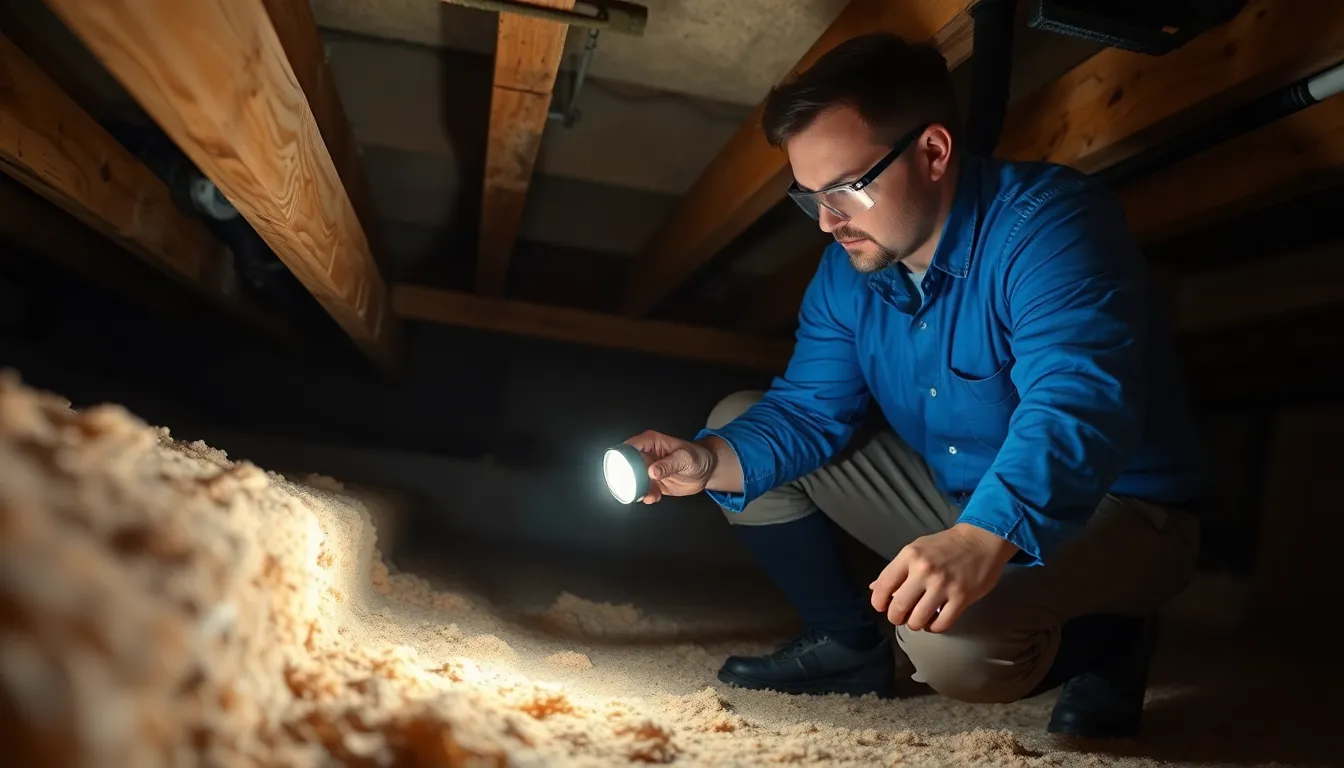
Initial inspection serves as the foundation of the cleaning process. Professionals assess the crawl space for moisture levels, pest infestations, insulation damage, and the presence of mold. They check for signs of rot and structural issues that may require immediate attention. Identifying these problems early aids in determining appropriate cleaning and repair measures.
Cleaning Techniques
Cleaning techniques vary based on the specific conditions found during inspection. Common methods include:
- Debris Removal: Technicians remove all litter and organic material that could attract pests or promote mold growth.
- Power Washing: High-pressure washing removes dirt, mold, and mildew from surfaces without causing damage.
- Disinfection: Application of EPA-approved disinfectants eliminates harmful bacteria and pathogens.
- Insulation Replacement: Damaged insulation gets replaced to improve energy efficiency and air quality.
- Moisture Control: Installation of vapor barriers helps prevent moisture buildup, protecting against future issues.
These techniques collectively ensure that the crawl space remains clean and less prone to problems.
Post-Cleaning Assessment
Post-cleaning assessment evaluates the effectiveness of the cleaning process. Technicians re-inspect the crawl space for any lingering issues or signs of moisture and pests. They may also check the integrity of insulation and other structural elements. Documenting the condition after cleaning helps homeowners keep track of any necessary future maintenance. Regular follow-ups enhance the longevity of the crawl space’s condition.
DIY vs. Professional Crawl Space Cleaning
Deciding between DIY cleaning and hiring professionals for crawl space maintenance involves weighing options based on several factors, including cost, time, and expertise.
Advantages of DIY Cleaning
- Cost Savings: DIY cleaning typically incurs fewer expenses as it eliminates labor costs associated with hiring professionals. Homeowners can utilize existing tools and materials, further reducing financial outlay.
- Control Over Process: DIY cleaning allows homeowners to manage the process, deciding on cleaning methods and schedules that fit personal availability. This flexibility can accommodate unique situations or immediate concerns.
- Learning Experience: Engaging in DIY cleaning provides valuable knowledge about one’s home, fostering a deeper understanding of crawl space issues. This firsthand experience equips homeowners to identify potential problems in the future.
- Immediate Action: DIY cleaning can be initiated immediately when issues arise, preventing further damage. This prompt response helps address minor problems before they escalate into major concerns.
When to Hire Professionals
- Severe Damage: If there’s significant structural damage, mold growth, or pest infestations, professional cleaning is recommended. Experts can assess risks and implement advanced cleaning techniques effectively.
- Health Hazards: Professionals possess the equipment and training necessary to handle hazardous materials safely, such as toxic mold or harmful pests. Engaging professionals ensures the protection of family health during the cleaning process.
- Lack of Time or Resources: When homeowners lack the time, suitable tools, or physical ability to tackle cleaning effectively, hiring professionals offers a practical solution, ensuring thorough maintenance without burden.
- Complexity of Issues: Situations involving extensive moisture problems or insulation damage often require specialized knowledge and equipment. Professionals deliver comprehensive solutions that DIY methods may not adequately address.
Cost Considerations for Crawl Space Cleaning
Crawl space cleaning costs vary based on several factors, including the scope of work and geographic location. Understanding average costs and influences on pricing helps homeowners prepare financially.
Average Costs
The average cost of crawl space cleaning ranges from $500 to $2,000 depending on the specifics of the job. Basic cleaning services typically fall around $500 to $1,200, which includes debris removal and disinfection. More comprehensive services, such as moisture control and insulation replacement, can push costs to $1,500 or more. Price variations often reflect the size of the crawl space and the condition it’s in.
Factors Influencing Pricing
Several factors influence the pricing for crawl space cleaning services:
- Size of the Crawl Space: Larger spaces necessitate more time and effort, driving up costs.
- Condition Assessment: Significant damage or extensive mold presence requires additional remediation work, increasing overall pricing.
- Accessibility Issues: Limited access points can complicate cleaning, thus raising labor costs.
- Materials and Equipment: The type of materials needed for repairs or the specific equipment used for cleaning impact expenses.
- Geographic Location: Prices vary regionally due to labor rates and demand for services, affecting the overall cost.
- Professional Experience: Established companies with specialized expertise may charge higher rates but offer enhanced service quality.
Recognizing these factors equips homeowners to make informed decisions regarding crawl space cleaning and maintenance.
Crawl space cleaning is a crucial aspect of home maintenance that shouldn’t be overlooked. By prioritizing this task, homeowners can significantly enhance air quality and protect their property from potential damage. Regular upkeep not only prevents mold and pest issues but also contributes to energy efficiency and increased property value.
Investing time and resources into crawl space cleaning ensures a safer and healthier living environment. Whether opting for a DIY approach or hiring professionals, understanding the benefits and costs involved empowers homeowners to make informed decisions. Ultimately, maintaining a clean crawl space is an essential step toward preserving the integrity and comfort of any home.